"I'll
bet eventually we'll find the same sort of
thing with the tonsils and men's foreskin."
Some scientists think they have figured
out the real job of the troublesome and seemingly useless appendix:
It produces and protects good germs for your gut.
That's the theory from surgeons and immunologists at Duke University
Medical School, published online in a scientific journal this
week.
For generations the appendix has been dismissed as superfluous.
Doctors figured it had no function. Surgeons removed them routinely.
People live fine without them.
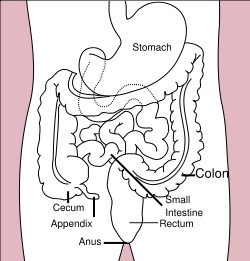
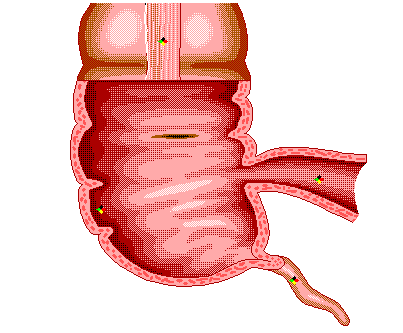
And when infected the appendix can turn deadly. It gets inflamed
quickly and some people die if it isn't removed in time. Two years
ago, 321,000 Americans were hospitalized with appendicitis, according
to the Centers for Disease Control and Prevention.
The function of the appendix seems related to the massive amount
of bacteria populating the human digestive system, according to
the study in the Journal of Theoretical Biology. There are more
bacteria than human cells in the typical body. Most of it is good
and helps digest food.
But sometimes the flora of bacteria in the intestines die or are
purged. Diseases such as cholera or amoebic dysentery would clear
the gut of useful bacteria. The appendix's job is to reboot the
digestive system in that case.
The appendix "acts as a good safe house for bacteria,"
said Duke surgery professor Bill Parker, a study co-author. The
location of the appendix -- just below the normal one-way flow
of food and germs in the large intestine in a sort of gut cul-de-sac
-- helps support the theory, he said.
Also, the worm-shaped organ outgrowth acts like a bacteria factory,
cultivating the good germs, Parker said.
That use is not needed in a modern industrialized society, Parker
said. If a person's gut flora dies, they can usually repopulate
it easily with germs they pick up from other people, he said.
But before dense populations in modern times and during epidemics
of cholera that affected a whole region, it wasn't as easy to
grow back that bacteria and the appendix came in handy.
In less developed countries, where the appendix may be still useful,
the rate of appendicitis is lower than in the U.S., other studies
have shown, Parker said.
The appendix, which is about two to four inches long, may be another
case of an overly hygienic society triggering an overreaction
by the body's immune system, he said.
Even though the appendix seems to have a function, people should
still have them removed when they are inflamed because it could
turn deadly, Parker said. About 300 to 400 Americans die of appendicitis
each year, according to the CDC.
Five scientists not connected with the research said that the
Duke theory makes sense and raises interesting questions.
The idea "seems by far the most likely" explanation
for the function of the appendix, said Brandeis University biochemistry
professor Douglas Theobald. "It makes evolutionary sense."
The theory led Gary Huffnagle, a University of Michigan internal
medicine and microbiology professor, to wonder about the value
of another body part that is often yanked: "I'll bet eventually
we'll find the same sort of thing with the tonsils." --




About
Hair
Eyes
Have It
Ear
Candling
Back
Walking
Energy-Drinks
The
Water Cure
Inner
Clean Diet
What
About Gout
For
Women Only
The
Human Body
For
Garlic Lovers
Sugar Is A Poison
Reflexology
Chart
Path2Fitness.com
What's
Eating You
Yogi
Bhajan's Diet
The Oreo Dilemma
Vegetarian
Recipes
Food
Ads vs. Reality
A
Healing Meditation
Drinking Driving Dead
Test
Your Eyes Online
Beware:
Canned Soup
Notes From Your Liver
Meditation
For Women
How
To Reverse Aging
Sugar Dumbs Us Down
What
About Gallstones
What
About Chemtrails
What
About Aspartame
The
Color of Depression
Beware:
"No Added MSG"
Pork Is A Four-Letter Word
Do
Doctors Cause Dementia
Texting And Driving Is Crazy
It's
Time To Rag On Ragweed
What
About Sodium Benzoate
SugarIsAFourLetterWord.com
Left
Brain-Right Brain Diversity
Be
Warned If You're On Statins
The Aquarian Age Wake Up Call
10
Warning Signs of Alzheimer's
Lasik
Eye Surgery - FDA Warning
Drug
Company Insider Confesses
Corporations
are killing Americans
A
Critical Look At Optical Retailers
Jimmy
Carter And Women's Rights
What
Your Optician Needs To Know
Is
Alzheimer's Diabetes of The Brain
Appendix:
A Newly Discovered Organ
Another
Side of The Soy-Protein Story
See
What Happens When You Meditate
See
Why Sikhs Keep Their Hair Unshorn
What
About PPA (PhenylPropanolAmine)
Use
Himalayan Salt - Do Not Use Table Salt
Opticians:
Merchants or Health Care Providers
 Your Health By DaSign
  Other Views
 Cleansing
Diet
Cleansing
Diet  Meatless Is Better

More Web sites by
KhalsaWebMasters.com

 *Consultation
with a health care professional should occur before applying
adjustments or treatments to the body, consuming medications
or nutritional supplements and before dieting, fasting or exercising.
None of these activities are herein presented as substitutes
for competent medical treatment. See
Disclaimer.
*Consultation
with a health care professional should occur before applying
adjustments or treatments to the body, consuming medications
or nutritional supplements and before dieting, fasting or exercising.
None of these activities are herein presented as substitutes
for competent medical treatment. See
Disclaimer.
HealthEqualsHappiness.com
© All rights reserved.


 EqualsHappiness.com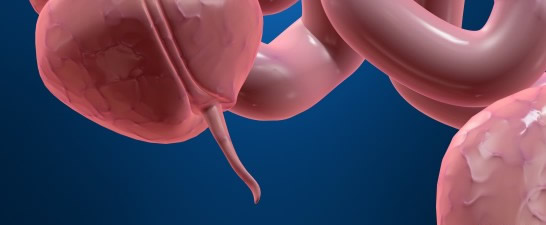

 FACTOID