
| Welcome to
COCONUT OIL FOR ALZHEIMER'S?
LEAFY GREENS DAILY FOR SHARPER MEMORY SLOWER DECLINE
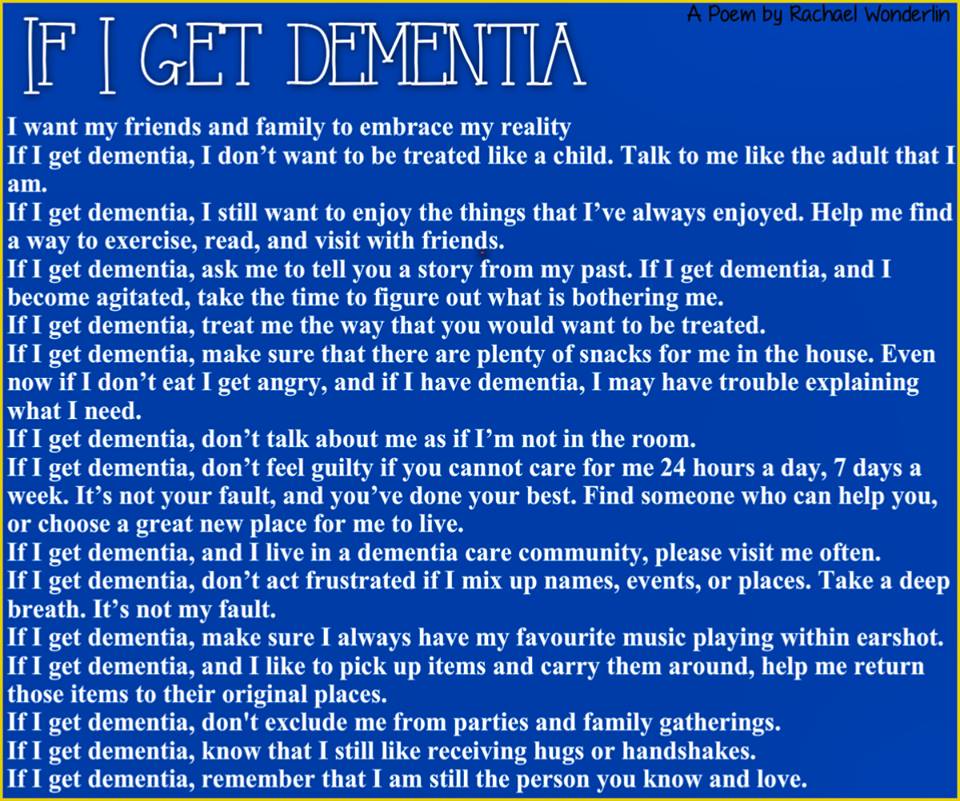
See Anesthesia Related To Alzheimer's Risk. See Take The SAGE Test For Alzheimer's. See See Alzheimer's Research notes. See What To Do If I Get Dementia. Alzheimer's
may be a form of diabetes.
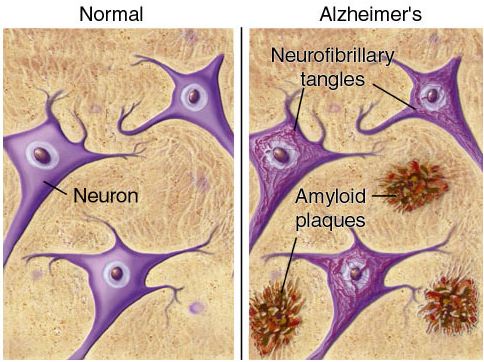
When the brazen James Watson had his genome sequenced, he declined to find out whether he carried a gene variant that would increase his risk for Alzheimer's disease. Ditto for Steven Pinker. There are virtually no treatment or prevention options for those who have or are at risk for Alzheimer's. Nor do scientists fully understand what causes it, though for years, opposing camps have duked it out over hypotheses that have focused largely on brain abnormalities called plaques and others called tangles, neither of which has so far proved a good therapeutic target.
Now some experts are proposing an avant-garde way of approaching
the disease: as a form
of diabetes. Some even dub it "type 3 diabetes" or
"diabetes of the brain." The idea is that memory loss
and cognitive deterioration in at least some Alzheimer's patients
may be caused by low insulin or insulin resistance in the brain,
much as lack of production or poor response to insulin in the body
is central to the pathologies of type 1 and type 2 diabetes. Effective
Alzheimer's treatments, then, might aim to boost brain insulin levels
or decrease resistance while addressing destructive factors like
inflammation and
oxidative stress. If the theory holds up, as early research
suggests, it could be a boon to a field scarred by disappointments
and dead ends. At the same time, another faction has emphasized abnormal modifications of a protein called tau that results in so-called tangles, which also turn up in brains ravaged by Alzheimer's. But neither the plaques nor the tangles seem to account fully for the onset of the disease. Plaques often appear in the brains of elderly people without Alzheimer's, and some evidence suggests that tangles form later in the disease's progression, rather than triggering it. Nor has either abnormality yet proven to be a fruitful target for new drugs. Meanwhile, the pitched battles have done damage to the field. It's been "one army against another," a prominent researcher told me. "You see them fighting at meetings," she says, and you think, "Oh, shut up. Try to come up with something that fits both." --
*The latest new hope for a cure has failed. July, 2012 -- Yes, the most closely watched experimental treatment for Alzheimer’s disease proved ineffective in its first large clinical trial, dealing a blow to conventional researchers, a theory about the cause of the disease, and most significantly to the three big pharma companies behind the drug. My
The latest breaking Alzheimer's prevention news is here.
I’m reading a new estimate that says 46 million Americans are headed for Alzheimer’s. That’s not good news. Recall that almost 70 percent of those cases will be women. This estimate also includes many people with early forms of memory loss that may proceed to Alzheimer’s. This actual number may very well reach 75 million people worldwide by 2060, with women having the highest risk. Beyond that, keep in mind that many of the people at future risk are only in their 30’s right now.
In another huge story, the mega giant pharmaceutical company Pfizer halts research to discover new Alzheimer’s drugs. They explained their decision, which will result in 300 layoffs, by revealing that their research into a drug cure or prevention treatment has consistently failed. “The current medications for Alzheimer’s are only slightly better than nothing,” a noted neuroscientist said. I’m sure you’re ready for some good news and I have some: we now know that our integrative medical approach works to help you prevent memory loss.
In 1968, the iconic California group the Beach Boys sang, “I’m picking up good vibrations.”
They must have known that around 50 years later our tremendous research on our simple 12- minute yoga meditation technique called Kirtan Kriya, or KK, would reveal that beyond a better brain and memory, practicing KK sends signals of comfort all the way down to your cells. These cellular vibrations then change your DNA for the better by increasing the length of your protective DNA cap, called a telomere. This is important because longer telomeres are critical for a long, healthy life with a better mind, mood, and memory. Simply put, longer telomeres make you younger. Furthermore, the work of your ARPF suggests that people who have shorter telomeres, meaning they're biologically older, actually increase their telomeres the most with our holistic approach. That’s a blessing: the people that need it more get the greatest result. What’s more, practice makes perfect. Maybe you’ve heard of the concept of 10,000 steps? It’s a simple notion: the more you do something the better you become at it and the more value you receive. Makes sense, right? Well, we also saw that those folks who kept up with KK on a regular basis reaped the greatest reward in relation to their memory and brain function. Beyond KK, our sponsored and published research on our 4 Pillars of Alzheimer’s Prevention has also revealed very positive results. While there is no drug to help prevent or treat memory loss, you can take matters into your own hands. Adopt a brain healthy lifestyle featuring the right diet and supplements, physical and mental exercise, stress management, especially through ARPF’s proven yoga meditation & socialization program, and create spiritual fitness-–a combination of psychological and spiritual well-being leading to a sense of deep inner peace. It will help you tremendously. -- See IsolatedSeer.com. Follow Up And then there's this from a friend, subsequent to the posting of the above article. "Thanks
for this valuable and precious tidbit of information. I recently
read a study that used high doses of b3 (niacinamide
form) on a population of rats with Alzheimer's and they had
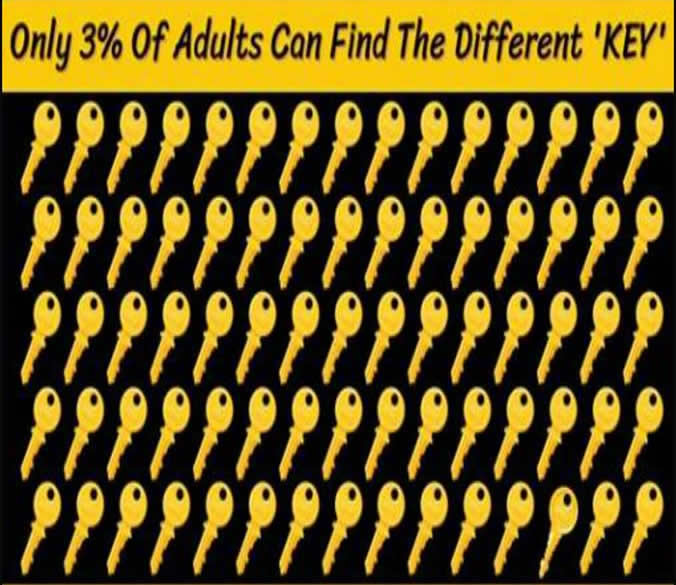
complete reversal of symptoms. Alzheimer's Cognitive Test A Find the man in the coffee beans.
Doctors
have concluded that if you find the man in the coffee beans within Mental Disorders
Take the Alzheimer's Cognitive Test B
No joke. If you were able to pass these tests, you can cancel your annual visit to your neurologist. Your brain is working great and you're far from having a close relationship with Alzheimer's disease.
Due
to the power and corrupting influence of Big
Pharma, the teaching Now
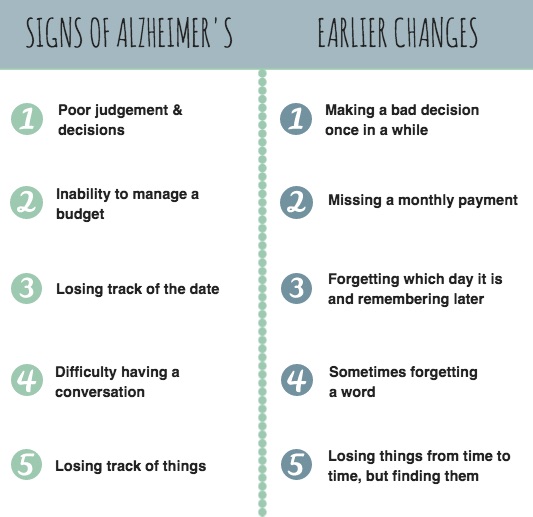
you know! Left-Brain Right-Brain Diversity 10 Warning Signs of Alzheimer's Stop Alzheimer's With Meditation Anesthesia related to Alzheimer's Research and Prevention Foundation
Helpful Health Hints
Pages And Points To Ponder
10 Warning Signs of Alzheimer's Corporations are killing Americans A Critical Look At Optical Retailers Jimmy Carter And Women's Rights What Your Optician Needs To Know Is Alzheimer's Diabetes of The Brain Appendix: A Newly Discovered Organ Another Side of The Soy-Protein Story See What Happens When You Meditate What About PPA (PhenylPropanolAmine) Opticians: Merchants or Health Care Providers
 More Web sites by KhalsaWebMasters.com 
HealthEqualsHappiness.com
|
|
 EqualsHappiness.com



 Eat a plant based diet. (See
  Manage your stress.
 Exercise physically and mentally.
 Take your supplements. --

 . Alzheimer’s Cases Set to Sky-Rocket
  . Big Pharma Bails on Alzheimer’s
 . Did The Beach Boys Go Cellular?


 Factoids








 *Consultation
with a health care professional should occur before applying
adjustments or treatments to the body, consuming medications
or nutritional supplements and before dieting, fasting or exercising.
None of these activities are herein presented as substitutes
for competent medical treatment.
*Consultation
with a health care professional should occur before applying
adjustments or treatments to the body, consuming medications
or nutritional supplements and before dieting, fasting or exercising.
None of these activities are herein presented as substitutes
for competent medical treatment.