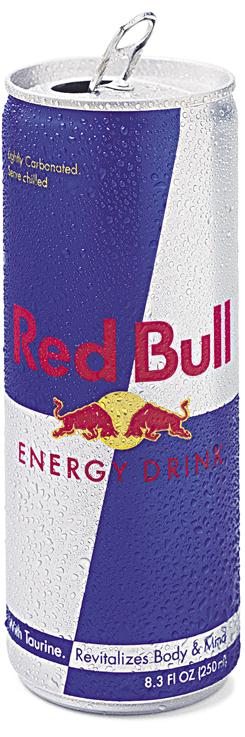
February, 2011 -- Some young people gulp drinks such as
Red
Bull, Full Throttle and Rockstar to boost their energy,
concentration and athletic performance.
A review of the medical literature says energy drinks can
pose a danger to kids and young adults with serious medical
problems.
But the caffeinated energy drinks don't appear to provide
the purported benefits and can cause problems, including
serious medical complications, says a review of the scientific
literature published online today in Pediatrics.
The paper is already drawing criticism from the beverage
industry, which says energy drinks have no more caffeine
than a cup of coffee and aren't widely used by kids and
teens.
Steven Lipshultz, chair of pediatrics at the University
of Miami School of Medicine, and colleagues reviewed
121 scientific studies, government reports and media sources
on energy drinks — different from sports drinks, vitamin
waters and sodas.
Energy drinks usually contain 70 to 80 milligrams of caffeine
per 8-oz. serving, more than double many cola drinks. Energy
drinks also may contain guarana, a plant that contains caffeine,
taurine (an amino acid), vitamins, herbal supplements and
sweeteners.
Surveys show that 30% to 50% of teens and young adults consume
energy drinks, but "we didn't see evidence that drinks
have beneficial effects in improving energy, weight loss,
stamina, athletic performance and concentration," Lipshultz
says.
And the research shows that children and teens — especially
those with cardiovascular, renal or liver disease, seizures,
diabetes, mood and behavior disorders and hyperthyroidism
— are at a higher risk for health complications from
these drinks, says Lipshultz, a pediatric cardiologist.
He encourages pediatricians and parents to talk to kids
and teens about whether they should be drinking such beverages.
Maureen Storey of the American Beverage Association, an
industry group, said in a statement that "this literature
review does nothing more than perpetuate misinformation
about energy drinks, their ingredients and the regulatory
process."
She says government data indicate that the "caffeine
consumed from energy drinks for those under the age of 18
is less than the caffeine derived from all other sources
including soft drinks, coffee and teas."
Red Bull said in a statement that the study "largely
ignores in its conclusions the genuine, scientifically rigorous
examination of energy drinks by reputable national authorities.
... The effects of caffeine are well-known, and as an 8.4-oz.
can of Red Bull contains about the same amount of caffeine
as a cup of coffee (80 milligrams), it should be treated
accordingly." --
The
Legacy of Corporate America
PROFIT
OVER PRUDENCE
"A
corporation's first purpose is to make money for
its stockholders, not to serve the needs of consumers.
The BP-Gulf Coast oil disaster is an example of what
can
happen as a result of a corporation's obsession with
profits
and their indifference and insensitivity to peoples'
needs."

The Wall Street-American flag


What's this?






About
Hair
Eyes
Have It
Ear
Candling
Back
Walking
Energy-Drinks
The
Water Cure
Inner
Clean Diet
What
About Gout
For
Women Only
The
Human Body
For
Garlic Lovers
Sugar Is A Poison
Reflexology
Chart
Path2Fitness.com
What's
Eating You
Yogi
Bhajan's Diet
The Oreo Dilemma
Vegetarian
Recipes
Food
Ads vs. Reality
A
Healing Meditation
Drinking Driving Dead
Test
Your Eyes Online
Beware:
Canned Soup
Meditation
For Women
How
To Reverse Aging
Sugar Dumbs Us Down
What
About Gallstones
What
About Chemtrails
What
About Aspartame
The
Color of Depression
Beware:
"No Added MSG"
Do
Doctors Cause Dementia
Texting And Driving Is Crazy
It's
Time To Rag On Ragweed
What
About Sodium Benzoate
SugarIsAFourLetterWord.com
Left
Brain-Right Brain Diversity
Be
Warned If You're On Statins
The Aquarian Age Wake Up Call
10
Warning Signs of Alzheimer's
Lasik
Eye Surgery - FDA Warning
Drug
Company Insider Confesses
Corporations
are killing Americans
A
Critical Look At Optical Retailers
Jimmy
Carter And Women's Rights
What
Your Optician Needs To Know
Is
Alzheimer's Diabetes of The Brain
Appendix:
A Newly Discovered Organ
Another
Side of The Soy-Protein Story
See
What Happens When You Meditate
See
Why Sikhs Keep Their Hair Unshorn
What
About PPA (PhenylPropanolAmine)
Use
Himalayan Salt - Do Not Use Table Salt
Opticians:
Merchants or Health Care Providers


Helpful Health Hints



Pages And Points To Ponder


 *Consultation
with a health care professional should occur before applying
adjustments or treatments to the body, consuming medications
or nutritional supplements and before dieting, fasting or exercising.
None of these activities are herein presented as substitutes
for competent medical treatment. See
Disclaimer.
*Consultation
with a health care professional should occur before applying
adjustments or treatments to the body, consuming medications
or nutritional supplements and before dieting, fasting or exercising.
None of these activities are herein presented as substitutes
for competent medical treatment. See
Disclaimer.
HealthEqualsHappiness.com
© All rights reserved.

 EqualsHappiness.com