The
truth about your hair...
Don't cut it, your body needs it!
Have you noticed all the facial hair
turning up in the media?
It does appear that 'bush' is making a strong comeback.
"Hair
is the pranic antenna.
It is energy, pure protein."
Yogi Bhajan
"Our
hair fashions might be just a trend, but if we investigate, we may find that we have been depriving ourselves of one of the most valuable sources of energy for human vitality." Yogi
Bhajan
"Why
is hair so rapidly replaced, cut after cut? And why is it so difficult to keep from growing? Hair is more important than we realize." H.
S. Khalsa
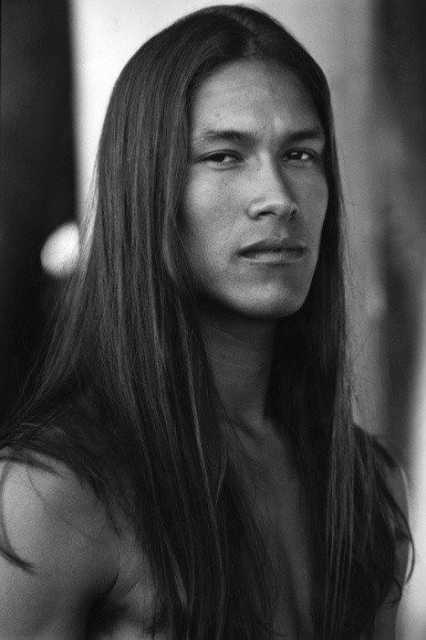
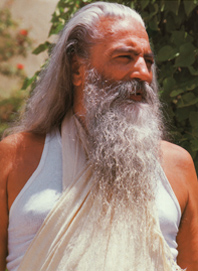
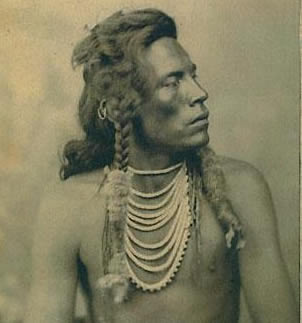
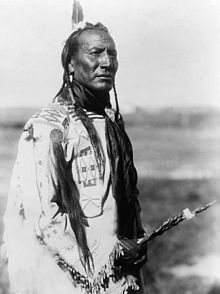
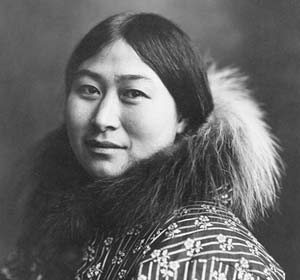
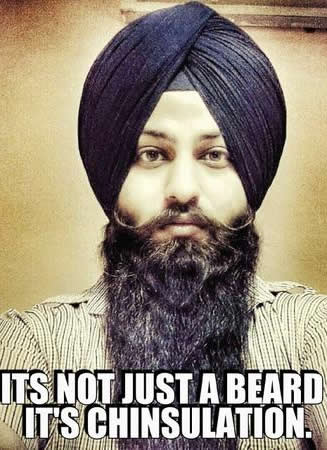
Left:Native
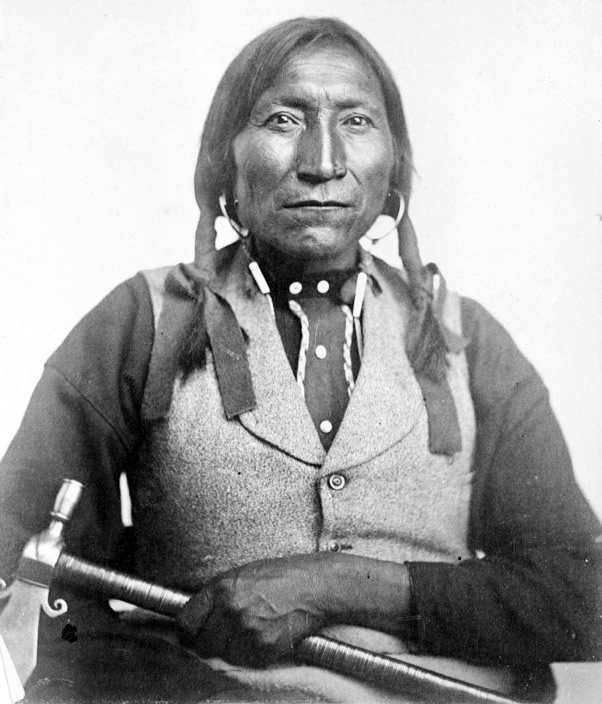
American male with unshorn head of hair. Center: American Indian male with unshorn head of hair. Right:Sikh male with unshorn head of hair and full beard. Note: Native American men tend to have little or no facial hair.
Why Native Americans Kept Their Hair Long
By C. Young
"Each
part of the body has highly sensitive work to perform
for the survival and well being of the body as a whole.
The body has a reason for every part of itself." C.
Young
This data
has been hidden from the public since the Vietnam War.
Our culture leads people to believe that hair style is a matter
of personal preference, that hair style is a matter of fashion and-or
convenience, and that how people wear their hair is simply a cosmetic
issue. Back in the Vietnam war however, an entirely different picture
emerged, one that has been carefully covered up and hidden from
public view.
In the early nineties, Sally (name changed to protect privacy) was
married to a licensed psychologist who worked at a VA Medical hospital.
He worked with combat veterans with PTSD, Post Traumatic Stress
Disorder. Most of them had served in Vietnam.
Sally said, "I remember clearly an evening when my husband
came back to our apartment on Doctor’s Circle carrying a thick
official looking folder in his hands. Inside were hundreds of pages
of certain studies commissioned by the government. He was in shock
from the contents. What he read in those documents completely changed
his life. From that moment on my conservative middle of the road
husband grew his hair and beard
and never cut them again. What is more, the VA Medical center let
him do it, and other very conservative men in the staff followed
his example.
As I read the documents, I learned why. It seems that
during the Vietnam War, special forces in the war department had
sent undercover experts to comb American Indian Reservations looking
for talented scouts, for tough young men trained to move stealthily
through rough terrain. They were especially looking for men with
outstanding, almost supernatural, tracking abilities. Before being
approached, these carefully selected men were extensively documented
as experts in tracking and survival.
With the usual enticements, the well proven smooth phrases used
to enroll new recruits, some of these, Native
American trackers, were then enlisted. Once enlisted, an amazing
thing happened. Whatever talents and skills they had possessed on
the reservation seemed to mysteriously disappear, as recruit after
recruit failed to perform as expected in the field.
Serious casualties and failures of performance led the government
to contract expensive testing of these recruits, and this is what
was found.
When questioned about their failure to perform as expected, the
older recruits replied consistently that when they received their
required military haircuts, they could no longer 'sense' the enemy,
they could no longer access a 'sixth sense', their 'intuition' no
longer was reliable, they couldn't 'read' subtle signs as well or
access subtle extrasensory information.
So the testing institute recruited more Native American trackers,
let them keep their long hair, and tested them in multiple areas.
Then they would pair two men together who had received the same
scores on all the tests. They would let one man in the pair keep
his hair long, and gave the other man a military haircut. Then the
two men retook the tests.
Time after time the man with long hair kept making high scores.
Time after time, the man with the short hair failed the tests in
which he had previously scored high scores.
Here is a typical test:
The recruit is sleeping out in the woods. An armed 'enemy' approaches
the sleeping man. The long haired man is awakened out of his sleep
by a strong sense of danger and gets away long before the enemy
is close, long before any sounds from the approaching enemy are
audible.
In another version of this test the long haired man senses an approach
and somehow intuits that the enemy will perform a physical attack.
He follows his 'sixth sense' and stays still, pretending to be sleeping,
but quickly grabs the attacker and 'kills' him as the attacker reaches
down to strangle him.
This same man, after having passed these and other tests, then received
a military haircut and consistently failed these tests, and many
other tests that he had previously passed.
So the document recommended that all Indian trackers be exempt from
military haircuts. In fact, it required that trackers keep their
hair long." Read on.
The mammalian
body has evolved over millions of years. Survival skills of humans
and animals at times seem almost supernatural. Science is constantly
coming up with more discoveries about the amazing abilities of man
and animals to survive. Each part of the body has highly sensitive
work to perform for the survival and well being of the body as a
whole. The body has a reason for every part of itself. (Sikhs
consider body hair to be a special gift
from the Creator.)
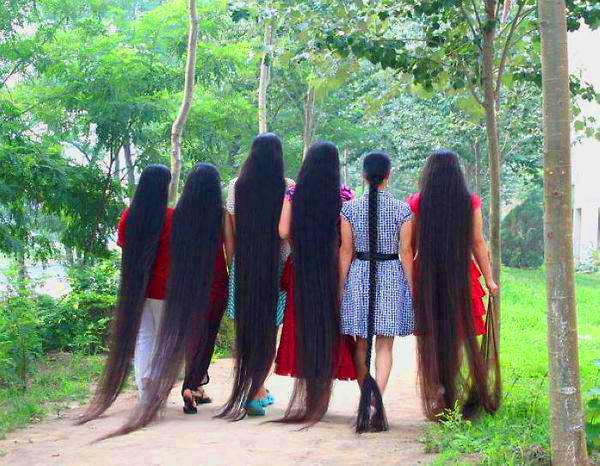
Hair is an
extension of the nervous system, it can be correctly seen as exteriorized
nerves, a type of highly evolved 'feelers' or 'antennae' that transmit
vast amounts of important information to the brainstem, the limbic
system, and the neo cortex.
Not only does
hair, including facial
hair in men, provide an information highway reaching the brain,
hair also emits energy, the electromagnetic energy emitted by the
brain into the outer environment. This has been seen in Kirlian
photography when a person is photographed with long hair and
then re-photographed after the hair is cut.
When hair
is cut, receiving and sending transmissions to and from the environment
are greatly hampered. This results in a numbing-out.
Cutting the
hair is a contributing factor to the unawareness of environmental
distress in local ecosystems. It is also a contributing factor to
insensitivity in relationships of all kinds. It contributes to sexual
frustration.
In searching
for solutions for the distress in our world, it's time for us to
consider that many of our most basic assumptions about reality are
in error. It may be that a major part of the solution is looking
at us in the face each morning when we see ourselves in the mirror.
See also If Your Dad Doesn't Have A Beard.
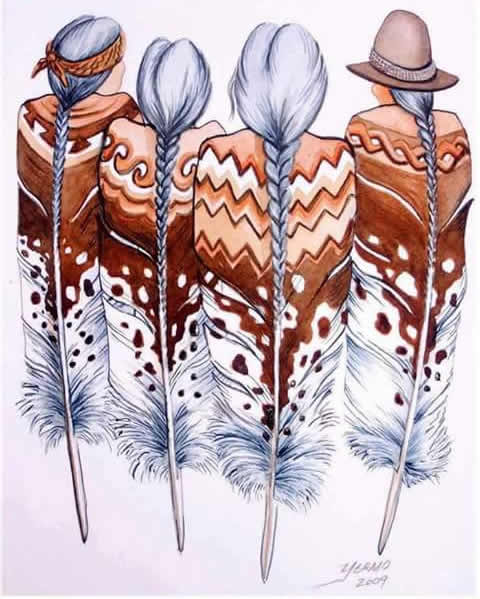
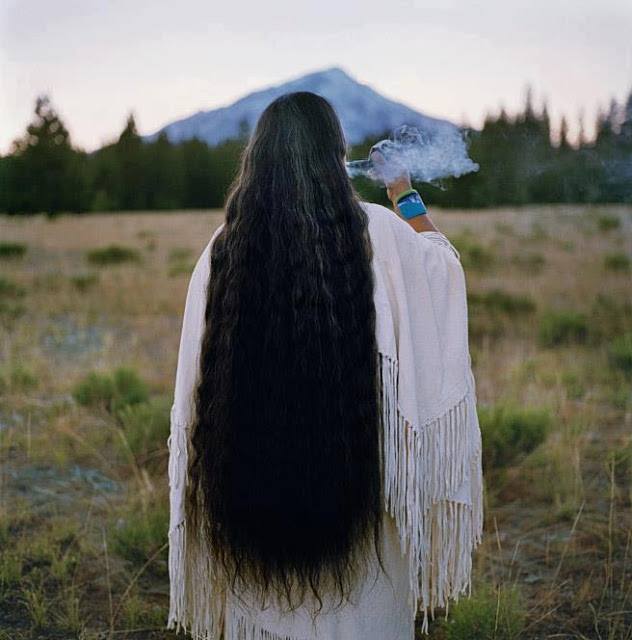
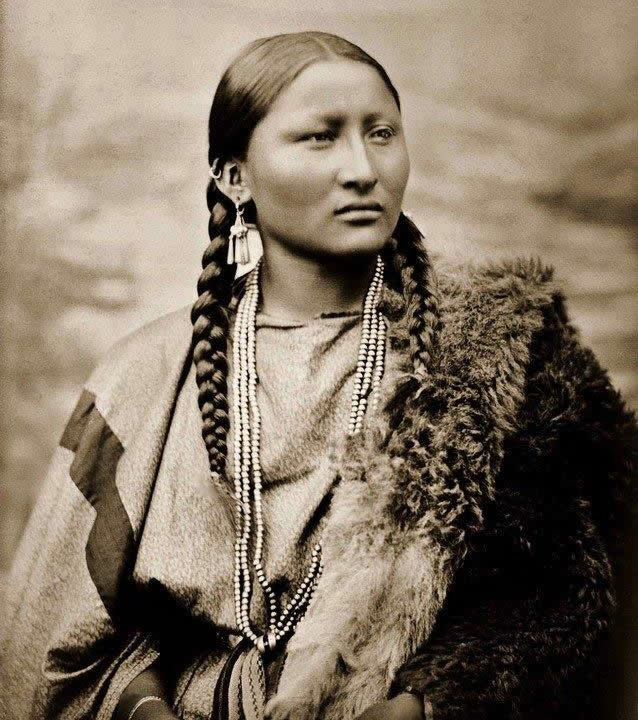
Native Americans respected their hair.
"Some
native tribes even scalped their live enemies.
It appears this practice held much more significance than just
a bunch of 'savages' committing acts of barbarism." H.
S. Khalsa
The story of Sampson and Delilah in the Bible has a lot of encoded
truth to tell us. When Delilah cut Sampson’s hair, the once
undefeatable Sampson was defeated. --
Ask yourself, "Why
does my hair keep growing back, cut after cut?"
And, "Why is it so difficult to stop hair from growing?"
Answer: Hair is more important than you think!
Your Hair and Sunlight
The Purpose of Hair
The Beard and It's Purpose For Men
A
tribute to all the men who have kept their beards.
If your dad doesn't have a beard, you've got two moms!
TWO BEARDLESS MOMS!
POINTS TO PONDER
"I will tell you about yoga in very simple terms.
The human mind is potentially Infinite and Creative.
But in practical reality it is limited. So a technical know-how is required through
which one can expand
his mind to bring about the equilibrium that enables him to
control his physical structure and experience his Infinite
Self."
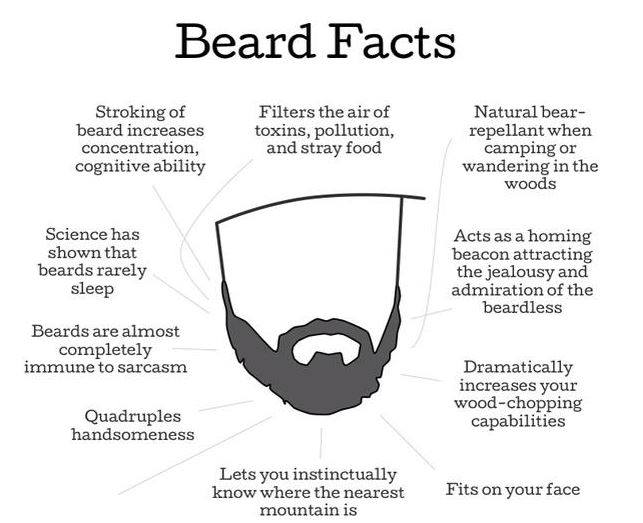
Wanna Grow A Thick Beard?
Growing a beard can be one of life’s secret joys; even a token accomplishment. Not all men find it easy to grow plums of facial hair. Of course as we are all different, our bodies work differently as well. There are men who are not able to get that bushy beard that others get and they are not able to get that length either. This is why many people are looking for the answer to how to grow thicker beard. but there are a few things you can do to help.
.) Ignore the myth that shaving or trimming your beard will make it grow back thicker.
You've probably heard the advice that shaving or trimming your beard will cause it to grow back twice as thick as before, but there is no real truth to this theory. After shaving your beard, your hair will experience a slight initial growth spurt, but will quickly return to a growth rate that's even slower than it was before, therefore rendering the growth benefits of shaving negligible.XXIn addition, your beard may appear to be thicker when it starts growing again, but this is only because the hair nearest the root is darker and coarser than the ends. Once the length of the hairs increase, you will no longer notice a difference. As a result, your best bet is just to leave your facial hair be. Lock your razor into a drawer and let nature take its course.
.) Shampoo and condition regularly.
Your beard will need some regular love and attention to keep it in tip-top condition. Try shampooing it daily (or almost daily) with a gentle shampoo to keep the hair clean and remove any lost pieces of food (it will happen), and use a little conditioner from time to time to help strengthen the hair and keep it looking full and thick.
.) Use a protective oil.
If you're exposing your beard to any harsh elements or chemicals - for example, while skiing or swimming in a chlorine-filled pool - you should apply a light layer of oil, such as jojoba or grape seed oil, which will protect your beard by locking in moisture and preventing the loss of natural oils.
.) Eat well.
Taking care of your body by eating well can favorably influence beard growth. As hair is mainly made up of protein, your beard will benefit from protein-rich foods, Green leafy vegetables, such as spinach and kale, are also a good addition to your diet, as they will help your body to metabolize estrogen (the female hormone), leaving a higher level o testosterone in your system. such as those from nuts,. These will also promote increased levels of testosterone, which is essential for thick, healthy beards.
You should avoid high-sugar junk foods, as these provide no nutritional content and will contribute to weak, brittle hair.
.) Exercise.
Regular, moderate to intense exercise can contribute to a thick, healthy beard as it helps to stimulate testosterone production and improves circulation. Good circulation is important as it carries the required vitamins and nutrients to the skin and hair through the bloodstream. Try to combine both cardiovascular and muscle-building exercises in your workout routine, for best results.
.) Stay hydrated.
Your beard is not like a plant - drinking more water is not going to make it grow faster. However, keeping yourself hydrated is essential for optimum body function, which will improve your overall health. Water flushes out toxins from the body and keeps skin hydrated from within - and neither of these things can hurt your chances of a healthy beard.
.) Get plenty of rest and relaxation.
Sleep is important as it allows cells to repair and regenerate - which is essential for healthy hair growth. Your overall health and well-being depends on getting enough sleep, so you should try your best to get 7-8 hours of good quality sleep each night. You should also try to minimize your stress levels as much as possible, as high stress levels have been linked with hair loss.
.) Don’t waste any more time!
This is something that everybody who wants to grow thicker beard should check out, as it can change their lives forever. You are able to gain a facial hair that you and woman are going to appreciate a lot. There are also many great things on the website as well, that you are able to inspect. -- Source.







 The mammalian
body has evolved over millions of years. Survival skills of humans
and animals at times seem almost supernatural. Science is constantly
coming up with more discoveries about the amazing abilities of man
and animals to survive. Each part of the body has highly sensitive
work to perform for the survival and well being of the body as a
whole. The body has a reason for every part of itself. (
The mammalian
body has evolved over millions of years. Survival skills of humans
and animals at times seem almost supernatural. Science is constantly
coming up with more discoveries about the amazing abilities of man
and animals to survive. Each part of the body has highly sensitive
work to perform for the survival and well being of the body as a
whole. The body has a reason for every part of itself. (





 Growing a beard can be one of life’s secret joys; even a token accomplishment. Not all men find it easy to grow plums of facial hair. Of course as we are all different, our bodies work differently as well. There are men who are not able to get that bushy beard that others get and they are not able to get that length either. This is why many people are looking for the answer to how to grow thicker beard. but there are a few things you can do to help.
 .) Ignore the myth that shaving or trimming your beard will make it grow back thicker.
 .) Shampoo and condition regularly.
 .) Use a protective oil.
 .) Eat well.
 .) Exercise.
 .) Stay hydrated.
 .) Get plenty of rest and relaxation.
 .) Don’t waste any more time!
 --
-- 





