What
Color Are You?
Color Wheel Predicts Mood
By Marrecca Fiore

In recent series of experiments, researchers found that depressed
people tended to feel more “gray” than “blue,”
whereas healthy or happy
people tended to feel some shade of yellow.
Researchers from the University of Manchester and University Hospital
South Manchester in England say they’ve developed a color
chart that can be used to study the type of color that relates
to a person’s state of mind.
"Colors are frequently used to describe emotions, such as
being 'green with envy' or 'in the blues,’" Peter Whorwell,
professor of medicine and gastroenterology at University Hospital
of South Manchester, said in a statement. “Although there
is a large, often anecdotal, literature on color preferences and
the relationship of color to mood and emotion, there has been
relatively little serious research on the subject.”
Writing in the open access medical journal, “BMC Medical
Research Methodology,” researchers said the Color Wheel
provides a unique way of asking patients about their condition
that dispenses with the need for language.
People with anxiety
and depression are most likely to use a shade of gray to represent
their mental state. Researchers writing in the open access journal
BMC Medical Research Methodology describe the development of a
color chart, The Manchester Color Wheel, which can be used to
study people's preferred pigment in relation to their state of
mind.
The researchers created a wheel of colors of various intensities,
including shades of gray. They then asked a control group of non-anxious,
non-depressed people to describe which color they felt most "drawn
to," which was their favorite and whether any of the colors
represented their current mood. When the test was repeated with
anxious and depressed people, most chose the same drawn to color
as the healthy participants, yellow, and the same favorite color,
blue. When asked which color represented their mood, however,
most chose gray, unlike the healthy subjects who typically chose
a shade of yellow.
A separate group of healthy volunteers were also asked whether
they associated any of the colors with positive or negative moods.
"When we used these results to separate colors into positive,
negative and neutral groups, we found that depressed individuals
showed a striking preference for negative colors compared to healthy
controls," Whorwell added. Anxious individuals gave results
intermediate to those observed in depression, with negative colors
being chosen more frequently as well as positive colors being
chosen less frequently than in the control test." --
CONCEPTS OF COLOR
WARM COLORS - Such as reds, oranges, and yellows advance, seem larger and add warmth.
COOL COLORS - Such as blues, some greens, and purples recede, seem smaller and add coolness.
RED: In food service, red increases the appetite and will influence guests to eat more, pay more for their food and stay longer. In décor, red adds warmth, energy and excitement. It is also a color of love and sensuousness.
ORANGE: In food service, orange also increases the appetite, but at the same time it creates movement and influences guests to eat quickly and move on. In décor, orange is a welcoming, friendly color, but can indicate inexpensive to the viewer.
YELLOW: In food service, certain shades of yellow add cheerfulness to the plate. In décor, yellow gives warmth and shows friendliness.
GREEN: In food service, green denotes healthy, fresh food. In décor, green says wealth, health, balance and comfort.
BLUE: In food service, blue decreases the appetite. In décor, blue gives the feeling of trust and acceptance. Eighty percent of all Americans claim blue as their favorite color.
PURPLE: In food service, purple generally decreases the appetite, especially the darker shades. However, the lighter shades of purple indicate trendiness. In décor, purple says creative, unusual, and different.
PINK: In food service, pink works to make food taste sweeter. In décor, pink adds a sense of femininity and softness.
GRAY: In food service, gray is not an appetizing color. In décor, gray denotes respectability, exclusivity, and quality.
BROWN: In food service, browned foods are perceived as hearty and appetizing. In décor, brown adds a sense of stability and structure.
WHITE: In food service, white represents good sanitation and freshness. In décor, it represents a clean, classic look and also a look for the future.
BLACK: In food service, black decreases the appetite, but can add a sense of elegance and sophistication to the presentation. In décor, black is a color of power, drama, mystery and sophistication.
GOLD AND SILVER: Denotes expense, wealth, glitz and glitter. --
LEAST FAVORED COLOR TRANSLATION
IF YOU DISLIKE RED -- YOU ARE: Peaceful, Helpful, Friendly, Kind, Casual, Comfortable to Be With.
IF YOU DISLIKE ORANGE -- YOU ARE: Logical, Thinking, Organized, Honest, Somewhat Conservative, A Communicator.
IF YOU DISLIKE YELLOW -- YOU ARE: Somewhat Sensitive, Somewhat Emotional, Spiritual, Unusual, A Goal Setter, Achiever.
IF YOU DISLIKE GREEN -- YOU ARE: Self Assured, Assertive, Risk-Taker, Have Strong Opinions and Emotions, A Decision Maker, Physical.
IF YOU DISLIKE BLUE -- YOU ARE: Enthusiastic, Thoughtful, Good Negotiator, Considerate of Other's Feelings.
IF YOU DISLIKE PURPLE -- YOU ARE: Innovative, Bright, Cheerful, Like to Experiment and Keep Busy.
IF YOU DISLIKE PINK -- YOU ARE: Logical, Analytical, Traditional, Business Oriented, Focused.
IF YOU DISLIKE GRAY -- YOU ARE: Sunny, Bubbly, Fun, Approachable, Gentle.
IF YOU DISLIKE BROWN -- YOU ARE: Free Spirit, Searching, Exotic.
IF YOU DISLIKE WHITE -- YOU ARE: Powerful, Sophisticated, Sensuous, Dramatic.
IF YOU DISLIKE BLACK -- YOU ARE: Hopeful, Love Life, Innocent, Endearing, Sometimes Artistic. --
See
What Is Cold Depression?
See Cold Depression Meditation.
See Your Birth Date Numerology.
See Kundalini Yoga For Depression.



Your Hair
Drug
wars
Eyes
Have It
Ear
Candling
Back
Walking
Energy-Drinks
The
Water Cure
Inner
Clean Diet
What
About Gout
For
Women Only
The
Human Body
For
Garlic Lovers
Reflexology
Chart
Path2Fitness.com
Vegetarian
Recipes
A
Healing Meditation
Food
Ads vs. Reality
Drunk...Driving...Dead
Test
Your Eyes Online
Beware:
Canned Soup
What
About Aspartame
What
About Chemtrails
What
About Gallstones
Meditation
For Women
How
To Reverse Aging
The
Color of Depression
Beware:
"No Added MSG"
Do
Doctors Cause Dementia
What
About Sodium Benzoate
Left
Brain-Right Brain Diversity
10
Warning Signs of Alzheimer's
Corporations
are killing Americans
A
Critical Look At Optical Retailers
Jimmy
Carter And Women's Rights
What
Your Optician Needs To Know
Is
Alzheimer's Diabetes of The Brain
Appendix:
A Newly Discovered Organ
Another
Side of The Soy-Protein Story
See
What Happens When You Meditate
What
About PPA (PhenylPropanolAmine)
Opticians:
Merchants or Health Care Providers
 Your Health By DaSign
  Other Views
 Cleansing
Diet
Cleansing
Diet  Meatless Is Better



 EqualsHappiness.com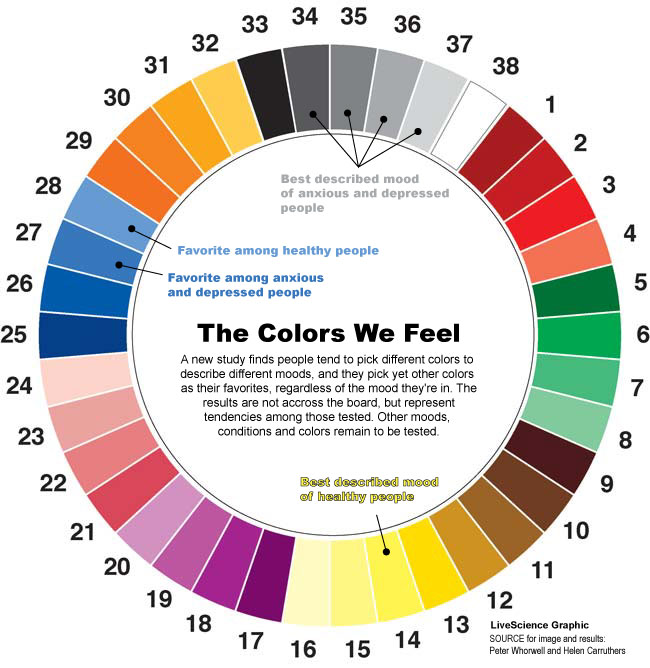








 *Consultation
with a health care professional should occur before applying adjustments
or treatments to the body, consuming medications or nutritional supplements
and before dieting, fasting or exercising. None of these activities
are herein presented as substitutes for competent medical treatment.
*Consultation
with a health care professional should occur before applying adjustments
or treatments to the body, consuming medications or nutritional supplements
and before dieting, fasting or exercising. None of these activities
are herein presented as substitutes for competent medical treatment.
 *Consultation
with a health care professional should occur before applying
adjustments or treatments to the body, consuming medications
or nutritional supplements and before dieting, fasting or exercising.
None of these activities are herein presented as substitutes
for competent medical treatment.
*Consultation
with a health care professional should occur before applying
adjustments or treatments to the body, consuming medications
or nutritional supplements and before dieting, fasting or exercising.
None of these activities are herein presented as substitutes
for competent medical treatment.