
|
Prescribed Drugs
"If
man made it, don't eat it!
THE
AMERICAN MILITARY
Anesthesia related to Alzheimer's "Due
to the power and corrupting influence of Big
Pharma, the teaching of "Big
Pharma is remarkably good at creating diseases and convincing us that
we have Question: What is DIF?
Answer: Drug Induced Fog. Learn how to protect yourself and your loved ones.
Common misdiagnosis can put you in a nursing home or worse. It's
absolutely heartbreaking. All over America, nursing homes are filled
with frail, feeble residents suffering from dementia. In many cases,
these folks are so far gone they don't even recognize their own
children.
According to the Washington Post, many cancer clinics are having to turn away patients without adequate coverage, or else face potential closure of their practices. Since many of the latest cancer drugs now cost upwards of $35,000 or more per year, it is grossly unsustainable to deliver such treatments to patients without adequate insurance coverage -- doing so would spell financial suicide for even the most successful and well-funded cancer clinics. "If we treated the patients receiving the most expensive drugs, we'd be out of business in six months to a year," said Jeff Vacirca, chief executive of North Shore Hematology Oncology Associates in New York, to the Washington Post. "The drugs we're going to lose money on we're not going to administer right now." See Cancer Chemotherapy Drugs Too Expensive. Then, see Evidence-Based Medicine: A Socratic Debate.
"Death by medicine is a 21st-century epidemic, and America's "war on drugs" is clearly directed at the wrong enemy! Prescription drugs are now killing far more people than illegal drugs, and while most major causes of preventable deaths are declining, those from prescription drug use are increasing, an analysis of recently released data from the U.S. Centers for Disease Control and Prevention (CDC) by the Los Angeles Times revealed." -- Mercola.com A Typical Scenario A
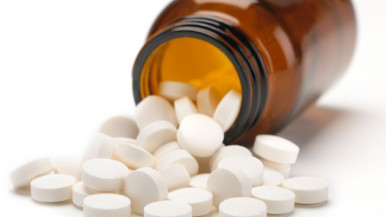
healthy person goes to the doctor for a checkup and is told his
cholesterol or blood pressure is high. So he starts taking medication,
which causes side effects. This leads his doctor to give him a second
drug to treat those side effects. But, of course, that second drug
causes new side effects. So the doctor prescribes a third drug to
treat the side effects of the second one!
Is anesthesia related to Alzheimer's? Yes,
the insurance companies know that if this woman continues to take
her meds, it's only a matter of time before her health deteriorates.
And they, of course, don't want to be the ones footing the bill
when that happens.
Did you ever wonder how much it costs a drug company for the active
ingredients in prescription medications? Some people think it
must cost a lot, since many drugs sell for more than $2.00 per
tablet. As revealed in past issues of Life Extension, a significant
percentage of drugs sold in the United States contain active ingredients
made in other countries. This can be found in a search of offshore
chemical synthesizers that supply the active ingredients found
in drugs approved by the FDA. Drug Ingredients Cost-Price Comparisons
This may help to explain why Walgreen's can afford to put a store on every other corner. Are these excessive margins? Think about it! From An Investigative Reporter On
Monday night, July 22, Steve Wilson, an investigative reporter for
Channel 7 News in Detroit, did a story on generic drug price gouging
by pharmacies. He found in his investigation that some of these
generic drugs were marked up as much as 3,000% or more. So often
we blame the drug companies for the high cost of drugs, and usually
rightfully so. But in this case, the fault clearly lies with the
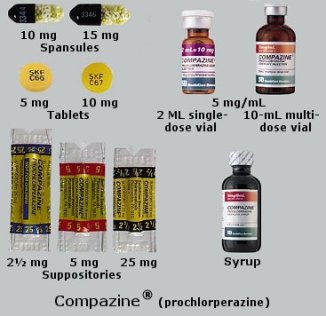
pharmacies themselves. "I went to the Costco site, where you can look up any drug, and get its online price. It says that the in-store prices are consistent with the online prices. I was appalled. Just to give you one example from my own experience, I had to use the drug Compazine which helps prevent nausea in chemo patients.
I used the generic equivalent, which cost $54.99 for 60 pills at CVS. I checked the price at Costco, and I could have bought 100 pills for $19.89. For 145 of my pain pills, I paid $72.57. I could have got 150 at Costco for $28.08." --
Trying
to decipher a doctor’s written prescription often filled with
abbreviations can seem as though you’re looking at a foreign
language. Here are some common ones, along with their translations:
SPECIAL NOTE: Although Costco is a 'membership' type store, you do NOT have to be a member to buy a prescription there as it is a federally regulated substance. Just tell them at the door that you wish to use the pharmacy, and they will let you in. *From www.Snopes.com "This chart (above) is of dubious accuracy, has little relevance (other than an inflammatory one), as far more goes into the retail pricing of drugs than the raw cost of their active ingredients. Pharmaceutical companies expend money on the research and development costs of creating the drugs, plus the overhead costs of manufacturing, marketing, and shipping them; as well, pharmacies must sell drugs for more than their wholesale prices in order to cover the overhead costs of store operations (including pharmacists' salaries)." Click here to view the respective chart. See the Snopes.com confirmation of this report here. DEADLY-DOSE DRUG DEATHS
Wait until you hear this testimonial from a former pharmaceutical corporation insider.
"A
corporation's first purpose is to make money for Wait, there's more. Watch this.
See The Cancer-Chemotherapy-Profit-Connection.
Read This If You Drink Diet Drinks Drug Company Insider Confesses What Your Optician Needs To Know The Corporate Poisoning of America Is Alzheimer's Diabetes of The Brain Another Side of The Soy-Protein Story Are Prescribed Drugs Making You Sick What About PPA (PhenylPropanolAmine) The Military-Industrial Complex vs America
Helpful Health Hints
Pages And Points To Ponder
 More Web sites by KhalsaWebMasters.com 
HealthEqualsHappiness.com
|
|
 EqualsHappiness.com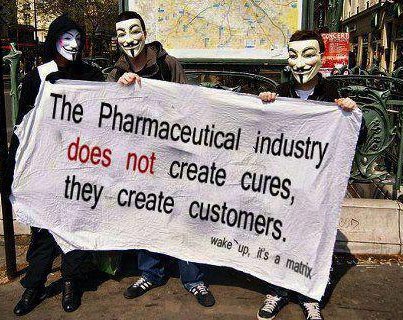
 INDUSTRIAL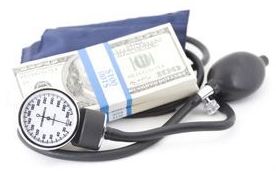



 One study
concluded that one of the major causes of falls in nursing homes
is the side effects caused by medications.
One study
concluded that one of the major causes of falls in nursing homes
is the side effects caused by medications.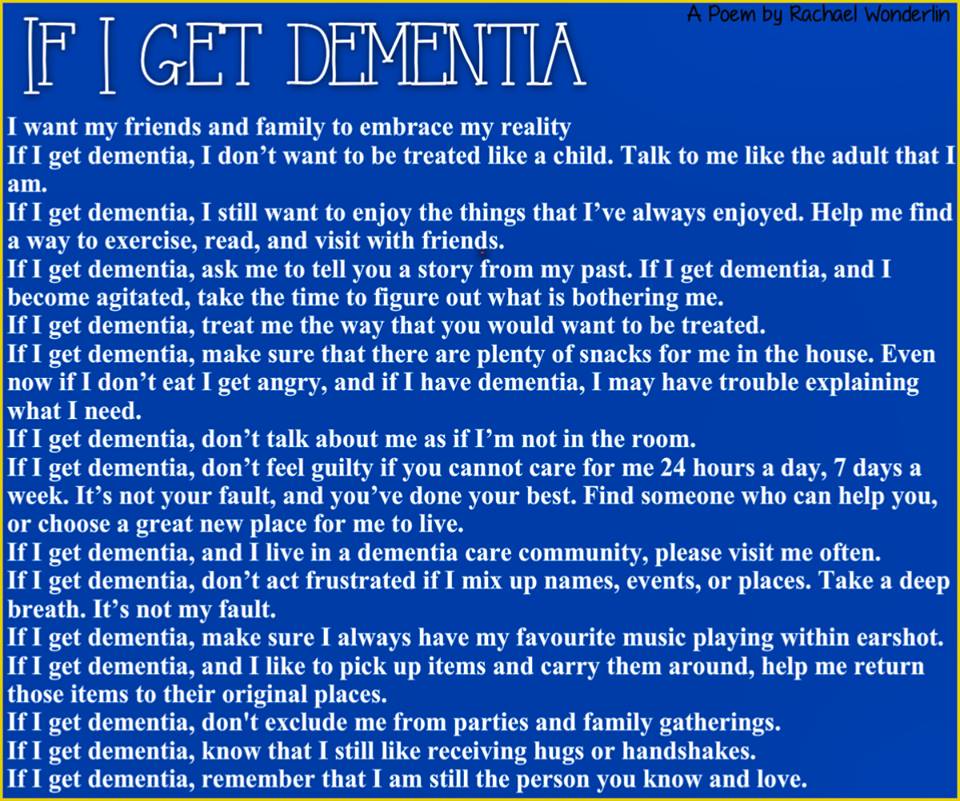
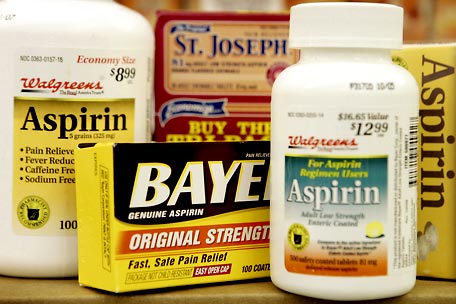


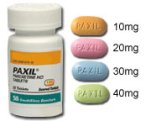
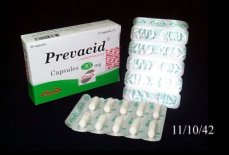
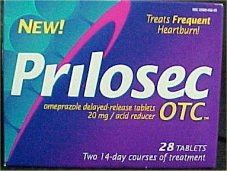
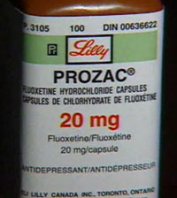
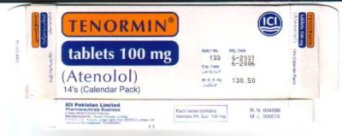
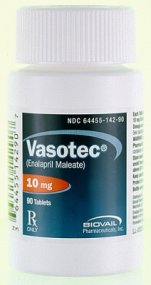
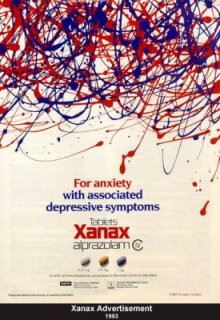
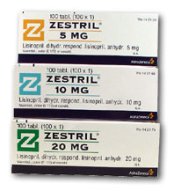
 Pain Prescriptions: Abbreviations to Know
 QD: each day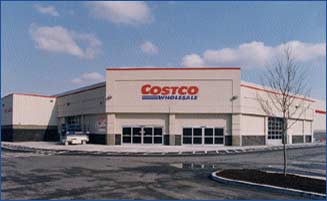
 FACTOID










 *Consultation
with a health care professional should occur before applying
adjustments or treatments to the body, consuming medications
or nutritional supplements and before dieting, fasting or exercising.
None of these activities are herein presented as substitutes
for competent medical treatment.
*Consultation
with a health care professional should occur before applying
adjustments or treatments to the body, consuming medications
or nutritional supplements and before dieting, fasting or exercising.
None of these activities are herein presented as substitutes
for competent medical treatment.