Ghee nutrition has a long history. Ghee nutrition has been used in
Indian cooking for many thousands of years. Ghee is an essential (and
nutritional) element in much of Indian cuisine, much the way butter
or margarine is used in American cooking.
Ghee
transcends the cooking realm, as Ghee is also often used in religious
ceremonies and various healing arts in Indian culture. Ghee's nutrition
and healthy properties are touted as ideal for anyone from athletes
to simple dieters.
Ghee is in fact a form of clarified butter. If you've eaten lobster
or crab before, you may be more familiar with the term "drawn
butter", which is essentially the same thing, although often
many people will simply melt some butter and call it drawn butter.
The process of clarifying butter is a bit more complex. The butter
is melted and simmered (this process is also called "rendered")
in a pot or large saucepan until three layers form: a foamy, watery
layer, which is skimmed off, a solid butter layer, and a milk solids
layer. The separated butter is the clarified butter, a liquid mass
of rich, golden butterfat.
Chefs often use clarified butter because it will not burn during frying
(this is known as a high smoking point), and possesses a more buttery
flavor. The longer the melted butter cooks, the more intense the resulting
flavor of the clarified butter will be.
Ghee lacks hydrogenated oils and is a popular choice for health-conscious
cooks as well. Additionally, since all the milk proteins have been
removed during the clarifying process, Ghee gains further nutritional
value because it's lactose free, making it a safer alternative for
those who are lactose intolerant.
1. Heat 1 or 2 lbs. of butter in a saucepan in high-medium heat until
it boils or bubbles. Avoid any sticking or burning of sediment that
accumulates in bottom of pan.
2. Reduce heat to medium-low and cook uncovered until butter turns
to a clear golden color. (Note: Butter usually begins boiling with lots
of bubbles. When it is done, it will form foam on the top indicating
that the Ghee is nearly done.) Skim away and discard the foam.
3. Cool the Ghee and store it in a dry container. Use Ghee in all your regular
cooking.
Tips to know when Ghee is done:
Ghee is properly done when water is completely evaporated from butter.
To find out if water is properly evaporated follow this procedure.
Pour heated butter onto a small piece of paper. Light the paper on fire.
If the Ghee gives off a crackling sound, this indicates the presence of water.
Then heat the butter for some additional time. After time and experience you will know when the Ghee
is done according to its smell and color.
Storage Tips:
Ghee does not need refrigeration.
For longer lasting
Ghee, keep it out of moisture, i.e., do not use a wet spoon to remove Ghee.
*Consultation
with a health care professional should occur before applying
adjustments or treatments to the body, consuming medications
or nutritional supplements and before dieting, fasting or exercising.
None of these activities are herein presented as substitutes
for competent medical treatment. See
Disclaimer.

 EqualsHappiness.com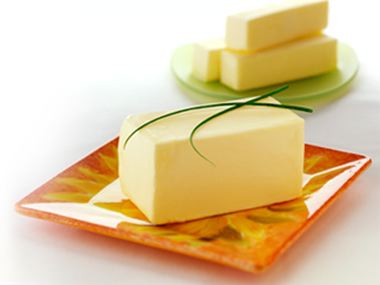

 Ghee does not need refrigeration.












 Your Health By DaSign

 Meatless Is Better
 *Consultation
with a health care professional should occur before applying
adjustments or treatments to the body, consuming medications
or nutritional supplements and before dieting, fasting or exercising.
None of these activities are herein presented as substitutes
for competent medical treatment.
*Consultation
with a health care professional should occur before applying
adjustments or treatments to the body, consuming medications
or nutritional supplements and before dieting, fasting or exercising.
None of these activities are herein presented as substitutes
for competent medical treatment.