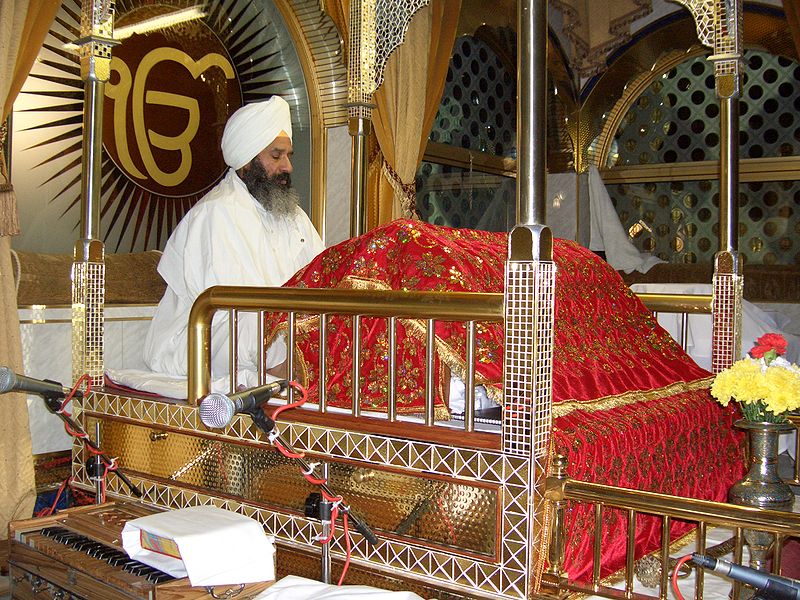
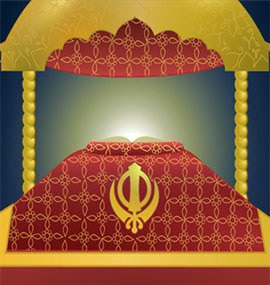
The Siri Guru Granth Sahib with Granthi (Sevadar) in attendance. Today's
Hukamnama
Ardas (Invocation)
Ik
Ong Kar, Wahe Guru ji ki fateh. Siri Bhagauti ji sahae. Var Siri Bhagauti
ji ki
patshahi dasmeh. Pritum Bhagaute simar kai, Guru Nanak lain dhiae.
Phir Angad,
Guru te Amar Das, Ram Dasai hoin sahae. Arjun Hargobind no, simrau
Siri Har Rae.
Siri Harkrishan diaiai, jis dithe sabh dukh jae. Guru Teg Bahadar
simriai, ghar nau nidh
avai dhae. Sabh thain hoe sahae. Dasvan Patshah, Siri Guru Gobind
Singh Sahib ji,
Maharaj, sabh thain hoe sahae. Dasan Patshah di jot, Siri Guru Granth
Sahib
Ji de path didar da dhian dhar ke bolo ji, Sat Nam... Siri
Whahe Guru!
Translation
The
One Creator of Creation, all victory is His. May God's Sword be our
protection.
After first worshipping the Adi Shakti, the Primal Power, meditate
on Guru Nanak.
Then Angad, Guru Amar Das, and Ram Das,
may they grant us their protection.
Meditate on Guru Arjun, Hargobind, and Siri Har Rae. Meditate on Siri
Harkrishan,
upon seeing whom all sufferings shall depart. Meditate on Guru Teg
Bahadur,
and the nine treasures shall come to you. Supreme is Guru
Gobind Singh, protector of the Faith, Master of the unity, may he protect us
everywhere.
The Light of the ten gurus, the living Guru, Word of God,
and Truth of truths,
the Siri Guru Granth Sahib, by meditating on it Words, all sufferings
vanish.
Meditate, O pure ones, and utter Sat Nam... Siri
Wahe Guru!
Preface
"A Sikh's mission is to promote chardi kala around the world.
During this time in our history radical transparency is needed.
We need to participate in and tolerate thoughtful
disagreements.
The mission of this Web site is to promote diversity and cultural competency, explore issues of color and gender, and inspire people
who have a history of being marginalized, using social media and other
means as platforms to inform various communities of the life experiences
and concerns of marginalized people with regard to the necessity for social
change, dialogue, inclusion, compassion, tolerance, and cultural literacy to
expand and improve human relations going forward in order to better facilitate
the current worldwide shift in global consciousness from tribalism, instability,
and extremism, to harmony, cooperation and enduring peace. In addition, we
welcome and support other organizations that promote the transformation of
consciousness taught by spiritual teachers like Guru Nanak Dev and others.
Our ultimate vision is to afford every person in the community
the opportunities to explore the sensitivities of the human spirit to
wit each person is inspired to (a) teach and interact with people while
maintaining a keen appreciation for their longing for inclusion, the innate longing
to belong within our human nature; (b) respond with compassionate consideration
and sensitivity to those racial, cultural, religious, ethnic, economic, political, social, ethical, psychological, and philosophical differences that exist within every community."
Points To Ponder
"Of all religions, the highest is to remember the Name of the Lord; emulate
His attributes; and maintain purity of conduct." Siri Guru Granth Sahib 5-266
"Religion is not a documentation of rules and dos and don’ts.
Religion is my own life conducted by me. It is my conduct,
my personality, and my reality. It is my truth, my light, my
prosperity, my happiness, and my totality.” Yogi Bhajan
"It is not how spiritual one is, it is how spiritually one faces calamity.
Spirituality is when all is gone, and there is nothing to hope for, you
become the hope, and you are not gone. That is spirituality.” Yogi Bhajan
Sat Nam. The
following is presented for the purpose of making the inquirer more
familiar with the lifestyle and practices of Sikh
Dharma, a householders' spiritual path by which practice, and
God's grace one may be blessed with the virtue known as humility, self-mastery, and
the good fortune to overcome the mental and spiritual affliction known
as pride. And to advise that it is NOT the practice of the
adherents of Sikh Dharma to proselytize. In fact, Sikhs often
express the term "Sat Kartar," i.e., "God
is the Doer." In this sense meaning that only those with
such destiny will become students of Sikh Dharma. See Editor's note.
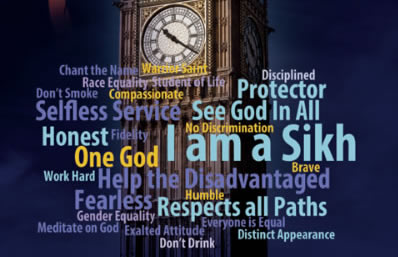
... Sikhism takes a larger, universal and inclusive position. The teachings are forthright:
justice, equal rights, compassion and succor for the needy. The basics of Sikhism can be
summarized in three fundamentals we all know: an honest living; sharing the rewards of life
with others; and a life attuned to the Infinite within each of us, and common to us all. Nowhere
does it ask that the recipient of our largesse has to be a Sikh, and cannot be a Hindu, Muslim, and Christian, Jew, or even an agnostic or an atheist. Nowhere does Sikh
teaching or tradition ask us to deride, belittle or refuse to give help to a neighbor if
he or she is of a particular sexual orientation. -- Dr. I. J. Singh
Every human being is the Light of the Divine in form. The human body was given to each of us so we can come to experience that Divine Light in ourself and in everything around us.
Experiencing the Divine while in the human body invokes bliss, fearlessness, and love, and a way to honestly face life with courage and grace. A society of people who are conscious of the Divine within themselves and in all around them are the foundation of a world filled with peace, prosperity, and integrity.
This is the vision and promise of Sikh Dharma. Not to be beholden to rituals and to the past, but to practice meditation and service as a way to awaken to the Divine Reality, to the Deathless Spirit of Love that is already here, inside of us, now.
Sikh simply means "seeker or student of truth." Sikh Dharma is a spiritual path for those who are looking to find themselves. Like all spiritual traditions, Sikh Dharma has its lineage and legacy, guidelines and philosophies, its Masters, its saints and history. But primarily, Sikh Dharma offers a down-to-earth spiritual path for ordinary householders, every-day people. It doesn't matter what your spiritual orientation is. Or what culture or background you belong to. Any person can do these practices to help them experience their own Divinity and Infinity.
The Aims of Sikh Dharma are:
To train the mind and the senses to recognize the Divine Light within oneself and within all of creation.
To be of service to others.*
The Practice of Sikh Dharma Includes:
Rise before the sun each morning in what is called the Amrit Vela, the Ambrosial Hours. In the two and half hours before the sun rises, the mind has the best chance to quietly surrender and hear the voice of the Spirit.
Take a cold shower. Do some light yoga and stretching to balance the body, mind and breath.
Meditate on and chant the Shabad Guru, the Sacred Sound Current as Divine Teacher that brings us to the experience of our Inner Divinity.
Meditate and chant at sunset and before going to bed.
During the day, a Sikh lives a normal life. Single or married. With children or without. In work life and in social life, the Sikh strives to:
Keep connected to the Divine in our heart with every breath.
Earn our living honestly and to share what we earn with others.
View the interactions of daily life as opportunities to serve.
"Every accomplishment starts with the decision to show up.
It's called commitment." MSS Hari Singh Bird Khalsa
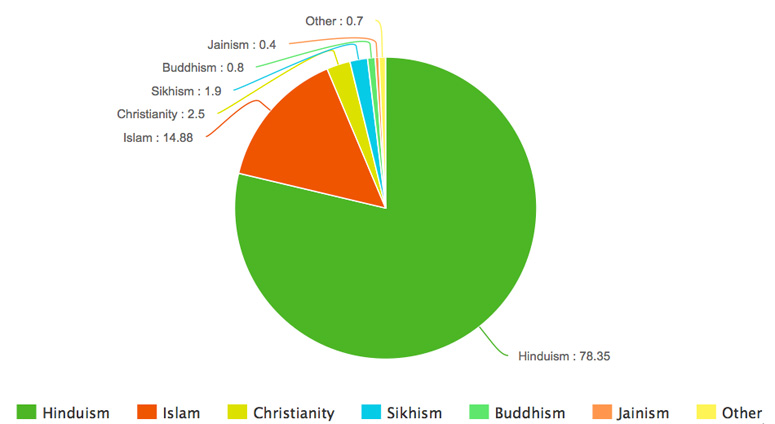
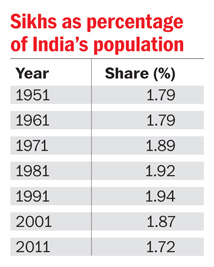
*Sikhs represent 2.4% of the total Indian population yet contribute 33% of total income taxes; contribute 67% to the total Indian charity fund; supply 45% of the active duty members of the Indian Army; and serve free langar (free meals) to approximately 5,900,000 people each day by way of 59,000 Gurdwaras (temples).
In 1699 at the first Amrit Sanchar (ceremony), Guru Gobind Singh, the 10th Sikh Guru, bestowed the honor for Sikhs to wear the five articles of faith at all times with a promise that by following the teachings of the Guru and keeping ourselves distinct we would have his undying power and support. The Five Ks, along with daily sadhana, support Sikhs to maintain grace, dignity and an attitude of service through all pressures of time and space.
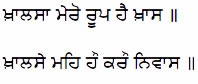
The Khalsa is my Image. Within the
Khalsa I reside. Guru
Gobind Singh
Baptized Khalsa Sikhs vow to wear the symbols known
as the 'Five
Ks', first ordered by Guru
Gobind Singh.
KESH,* the God-givenhair and beard, is kept
unshorn to sustain him or her in higher consciousness and covered with a turban, the crown of spirituality. The unshorn hair is recognized as God's gift, giving sensitivity, power and protection. Hair is coiled, and worn
in a jura or knot (bun) on top of the head (crown
chakra), and under the turban. See Beards. See The Turban Is A Crown.
KANGA, the wooden comb, symbol and reminder of the commitment to cleanliness,
and used to groom the hair, keeps the hair tidy, a symbol of accepting what God has given and a commitment to maintain it with grace. The hair should be allowed to grow naturally.
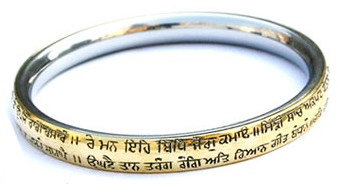
KARA, steel or iron bracelet, symbolizes our connection to the Infinite. The steel ring-bracelet, symbol of One without end, i.e., Infinity, worn
on the wrist, signifying the unbreakable bondage with Truth, The
One God, The One Reality, and freedom from every entanglement.
KATCHERA, symbolizes self-respect, chastity and honor in all relationships.the specially designed cotton underwear, a symbol and reminder of
the commitment to purity, and to refrain from sexual relationships
outside of marriage. (Khalsa Sikhs also refrain
from eating meat or using tobacco, alcohol, and all other
intoxicants.)
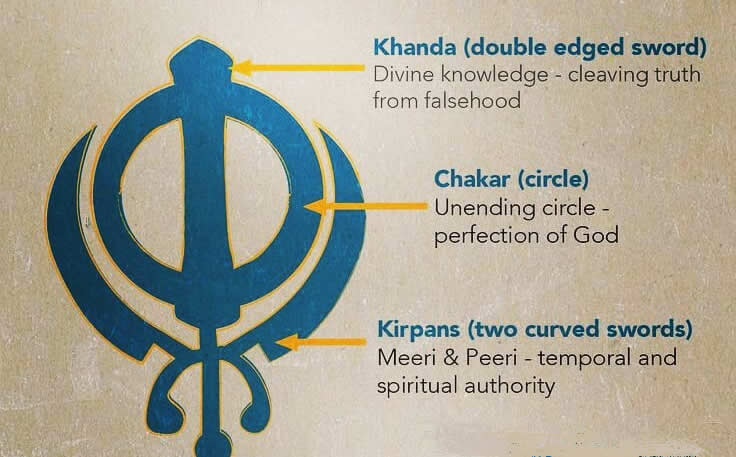
KIRPAN,* the small sword, the symbolic Sword of Righteousness, with which
a Khalsa is committed to righteously defend the weak, protect the innocent, and
the fine line of Truth.
Solid Gold Kirpan Worn As Necklace
Scabbard, yellow gold; Blade, white gold Gold Khanda (Adi Shakti) overlay on scabbard
Adi Shakti
*Kirpan -- Kkeér Pahn, literally means 'hand of mercy.' It is a Punjabi (East Indian) word for 'knife' or 'dagger', that connotes a philosophy of respect for the martial arts and weapons, NOT as vehicles of aggression, but as a means of defending the defenseless. A Sikh's sacred duty is to defend the weak and protect the innocent. See GurdwaraSecurity.com.
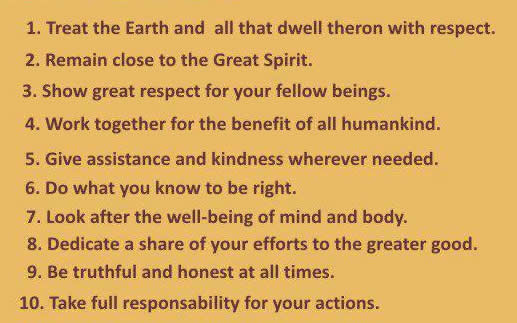
THE TEN COMMANDMENTS
Adopted from Native America's Ten Commandments
"It is a Sikh's sacred duty, without fear or anger, to defend
the weak and protect the innocent." -- GurdwaraSecurity.com
"Sikhs respect and will act to protect the
free practice and the
beliefs and traditions of other religions." --WhoAreTheSikhs.com
"It is incumbent on those who know to teach those who do not know."
"A Sikh's purpose is to celebrate Naam and live as a saint-soldier,
i.e., protect the weak and innocent while serving the people of the Earth."
"Think
about it. You grew your magnificent brain, perhaps the most
complicated thing in the world. And you grew it without even thinking
about it. A supremely intelligent Life Force of unknown origin created
and
sustains this wondrous miracle of life. This is what Sikhs refer to
as God."
"Sikh Dharma is a householders' path by which, with practice and by God's
grace, one may be blessed with the virtue known as humility, and the good
fortune to overcome the spiritual affliction of pride." -- Hari Singh Khalsa
"God
is nothing but your own inner consciousness.
Now I will agree with you that you cannot always
feel this God, but that is because you think that you
are separate from God. We call it Maya. Maya is the
illusion of separateness: it is the quicksand of this life.
Sometimes we sink into this quicksand and then we
need a hook; we need some guidance to help us pull
ourselves out so that we can continue our journey.
The hook that we use to do this is called the Guru." --
From Life
According To Yogi Bhajan.com.
Sikhism was founded by Guru Nanak Dev in
the Punjab area of Northwestern India, now Pakistan, in the 15th Century.
The Sikhs that live there speak the Punjabi language. The word “guru”
means one who can take you from darkness to light and guides you on
the right path. After his death a series of nine Gurus led the Panth,
i.e., the Sikh community, until 1708 CE.* At this time this function passed to the Panth and the Siri
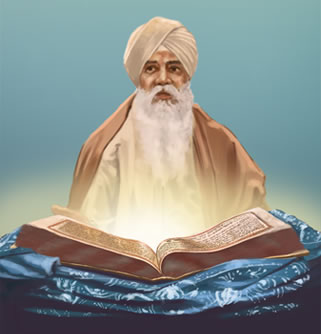
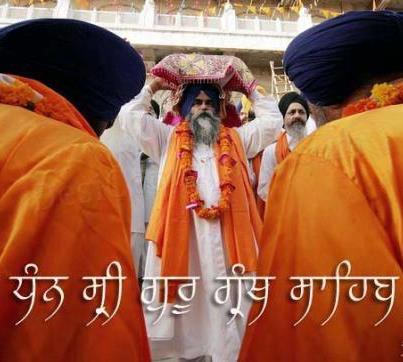
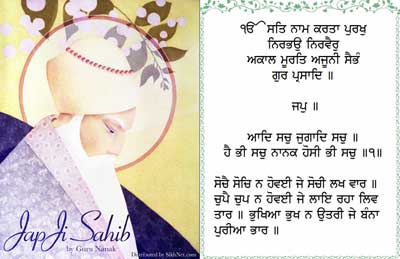
Guru Granth Sahib, which is the 11th and remaining Guru. (See The Many Facets of Japji Sahib. See Who Are Sikhs on CNN.)
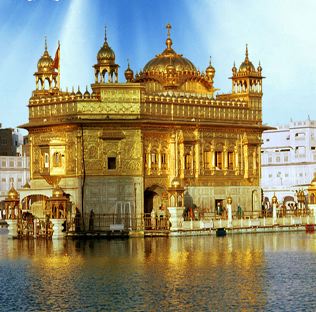
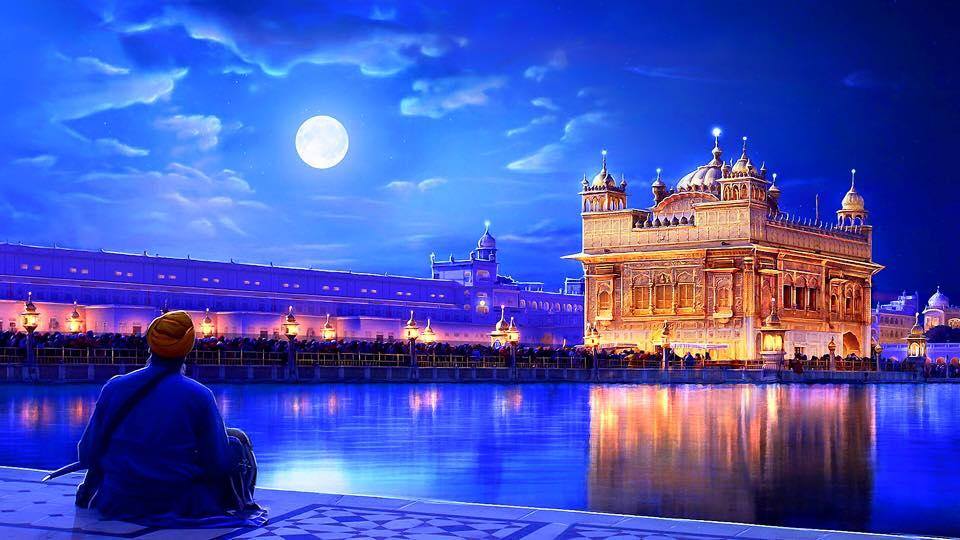
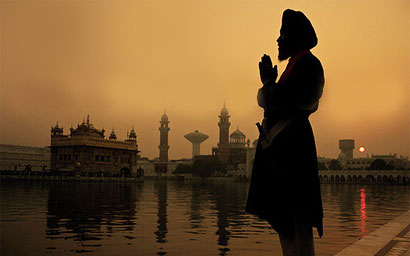
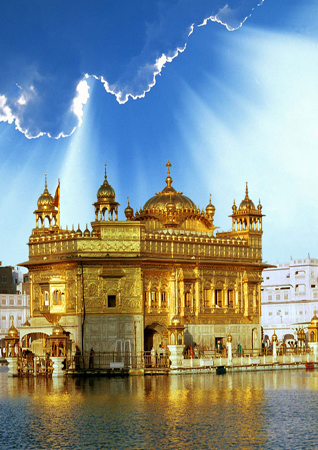
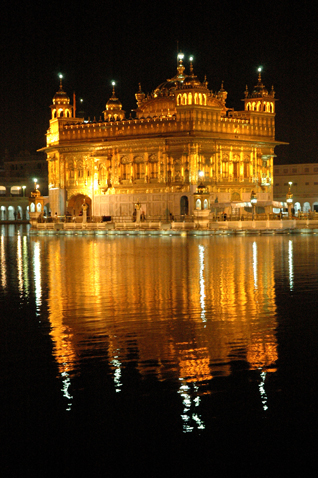
The Harimandier Sahib, aka, The Golden Temple of Sikh Dharma, Amritsar, India
Standing at the Golden Temple by Gurushabad Singh Khalsa
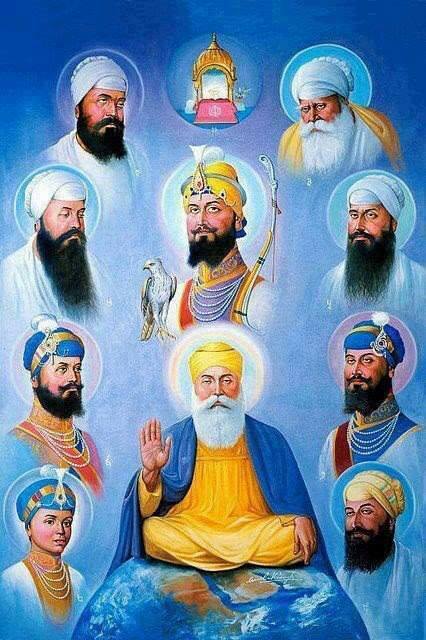
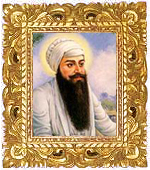
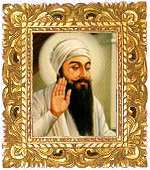
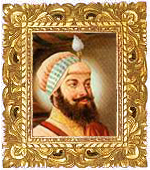
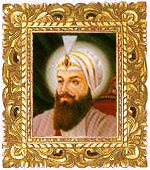
.) Guru Nanak -- Soul Body .) Guru Angad -- Cautionary Mind .) Guru Amar Das -- Postive Mind .) Guru Ram Das -- Neutral Mind .) Guru Arjan -- Physical Body .) Guru Hargobind -- Arcline-Halo Body .) Guru Har Rai -- Auric Body .) Guru Har Krishan -- Pranic Body .) Guru Teg Bahadur -- Subtle Body .) Guru Gobind Singh -- Radiant Body -- Life of Guru Gobind Singh .) Guru Granth Sahib -- Mastery of all ten Bodies
Siri Guru Granth Sahib is composed and-or compiled by the ten Sikh Gurus
themselves. Therefore, it is original and authentic.
All the Hymns (Gurbani) are written in a poetic form with specified
musical Raags (a total of 31). Singing these poetic Hymns with musical
notes calms and soothes the mind.
The Siri Guru Granth Sahib does not contain any autobiography of any
of the Gurus, or Sikh history. It contains Hymns, which direct one
to lead a truthful and spiritual life, a message for the whole of
humanity.
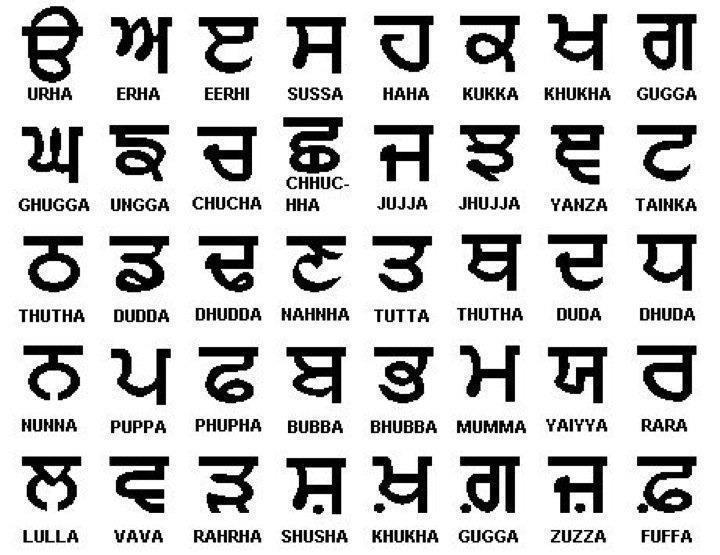
The Siri Guru Granth Sahib is written in Gurmukhi script, the actual
contemporary language of the Gurus.
These are the three
major principles of Sikhism: 1) Daily reflection on the one God; 2) Earn an honest living; and 3) Share one's resources with others at Guru's Langar* and through community service. Everybody who contemplates the one God, lives by
these teachings, and respects the spiritual unity of mankind as servants of the one Creator are known as Khalsa.
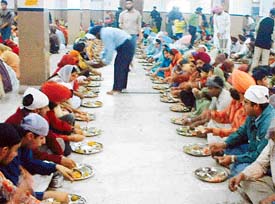
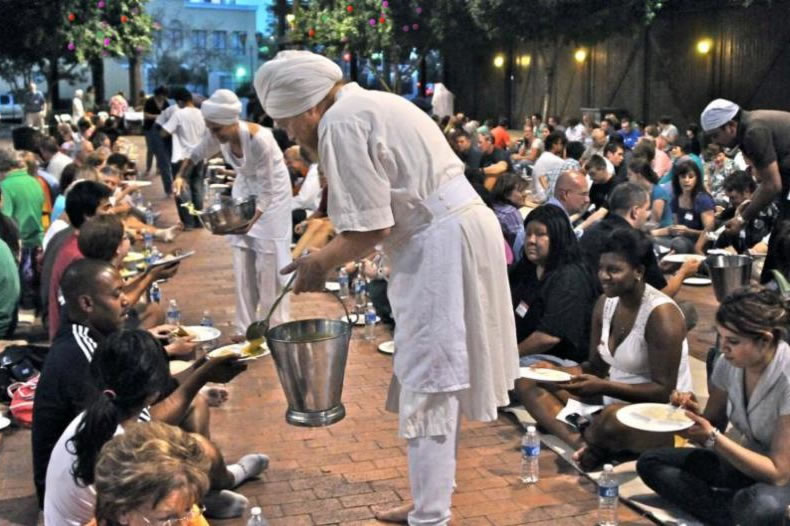
Free Kitchen Langar
A community service tradition of Sikh Dharma
Anybody is welcome to partake of langar
*Note: An essential part of Sikhi practices is serving langar or free kitchen. Here the food is cooked by members of the Sangat (congregation) and is served without discrimination to all. After the Sangat has participated in any ceremony, they are served the Guru’s Langar. The tradition of Langar expresses the ideals of equality, sharing, and the diversity yet oneness of all humankind. See The 12 Aspirations of the Sikhs. See Chardee Kala. See What I Learned From The Sikhs. See Core Issues For Sikhs. See Baisakhi Day Videos.
There
are five things that identify a person as a Sikh. These include uncut
hair that is worn with turban, a steel
bracelet, a small ornamental sword that is carried at all times, a
small comb, and a style of breeches or shorts that are worn underneath
one’s clothing.
Baisakhi Day in 1699, the Khalsa Panth was established by Guru Gobind Singh
at Anandpur. The work started by Guru Nanak Dev now entered its final stage,
whereby the 'purity' of Sikhism would continue operations even in the absence of
a physical Guru. Purity or Khalsa, would inspire every generation of Sikhs to live
their lives by obeying Siri Granth Guru Sahib as Guru and proudly wear and
display 5 Ks as their identity, and a sense of belonging and higher purpose.
Guru
Gobind Singh, the tenth Sikh Guru, gave these Five Ks as gifts to the Sikhs.
All Sikhs that choose to go through an initiation ceremony called
Amrit, wear these articles of faith. Sikh men take the name Singh,
meaning lion, and women take the name Kaur, meaning princess. (See Greetings, Names and Titles.)
In
America, the members of Sikh Dharma are the only
religious group whose practice includes the wearing
of a turban.
Sikhs wear a turban as a constant reminder that we are Sikhs (students).
"Sikh
Dharma is a householders' spiritual path by which practice and only
by God's
grace, one may be blessed with the virtue known as humility and the
good fortune
to overcome the mental and spiritual affliction known as pride." -- Hari Singh Khalsa
"From
a woman all men are born. How then can
any man degrade any woman?" -- Hari
Kaur Khalsa
The
Sikhs
"...We gladly accept all, and we will exclude none, for after
all, we're the same - we are all One." -- Guru
Gobind Singh
The
12 Aspirations of the Sikhs
Believe God is Truth and Word
is Guru.
Believe God is the One Creator,
and all of Creation is God's manifestation.
Espouse the role of woman as
representing the Universal Mother.
Maintain their hair and beard unshorn as God's gifts,
and wrap their hair in a turban.
Refrain from eating flesh
food, i.e., red meat, chicken or seafood.
Believe all religion and scripture
is an expression of the On e Creator.
Respect the rights and freedoms
of all spiritual paths.
Espouse the sanctity of the
path of the householder.
Maintain 'chardeekala', i.e., boundless optimism, an exalted
and positive attitude towards life and other people.
Believe it is God's blessing
to serve others, and to protect the weak and innocent.
*The
word Sadhana is derived from the Sanskrit words Sa, meaning all, and
Dhana, meaning
blessings.
"The
problem at this moment is the majority of us do not want to do sadhana
(spiritual practice). These unfortunate people are really cursed.
With all the teachings and all the knowledge,
isn't it a curse? It is. Sometimes you use the children as an excuse,
sometimes the husband. One way or the other, there is an excuse. To
be realistic with you, an excuse is an excuse, and sadhana is sadhana.
I know on some days, I am dead tired. I feel I can't do my sadhana.
Then what do I do? I go to the bathroom, I take cold water, and I
wash my face again and again, and again and again, until I understand
that I am fully awake. When I am doing my sadhana, sleep sometimes
wants to overtake me; I get tired. Sometimes I get home late and I
have to get up very early. Then I do pranayam and I apply some yogic locks.
I do a lot of things that I have learned and I go through it as gracefully
as a humble human being should.
The
greatest reward of doing Sadhana is that the person becomes incapable
of being defeated. Sadhana is a self-victory, and it is a victory
over time and space. Getting up in the morning is a victory over time,
and doing it is a victory over space." -- The Siri Singh Sahib of Sikh Dharma
**Banis
are specific passages taken from the Guru and read each day.
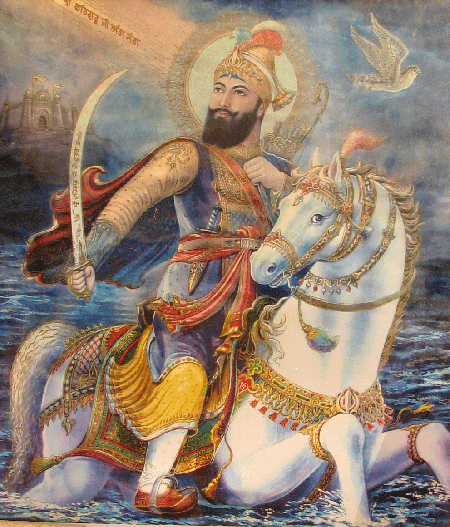
Father
of the Khalsa Guru
Gobind Singh
Sikhs
believe in one formless God with many names, Who can be related to
by anybody through meditation. Sikhs recite the Name many times each
day and are prohibited from worshipping idols or icons. Sikhs believe
in karma and reincarnation as Hindus do, but shun the caste system. Everybody has equal status in the eyes
of God.
During
the 18th century, there were a number of attempts to prepare an accurate
portrayal of Sikh customs. Sikh scholars and theologians started in
1931 to prepare the Rehat Maryada, the Sikh code of conduct and conventions.
This action has achieved a high level of uniformity in the religious
and social practices of Sikhism throughout the world. The Reht contains
27 articles. Article 1 defines a Sikh. "Any
human being who faithfully accepts:
The utterances
and teachings of the ten Gurus, and
The baptism bequeathed
by the tenth Guru, and who does not owe allegiance to any other religion,
is a Sikh."
Sikhism
is founded on the principles of global Interfaith communities and
mutual Inter-community respect and harmony. The founders of Sikhism
defined and preached the principles of interfaith respect, dialogue,
and harmony. All members of the Sikh religion believe in only one
God. Sikhs are monotheists like Jews, Christians and Muslims. The
Sikh religion promotes equality among all people. That means that
everyone -- men and women -- are treated in the same way. Sikhs are
expected to work hard, to be good and giving people, to worship God,
and provide service for all Humanity. A Sikh, by definition, respects
and accepts all other world religions. Further, the Sikh protects,
guards, and allows the free practice of the customs and rituals of
other religions.
Today,
many Sikh youths belong to youth groups that are designed for Sikh
children and young adults. These groups teach Sikh youth about their
unique religious and cultural history and traditions. Many of these
youth groups are sponsored by a Sikh Gurdwara.
For Sikh families, the Gurdwara, Sikh church or temple, is a gathering
place for people to share their religious traditions. It is the center
for Sikh life and is a place where people can gather for special social
ceremonies like those marking a marriage, the birth of a baby or a
death in a family. See Your First Visit To A Sikh Gurdwara. See Sikh Council UK Mixed Marriage Guidelines.
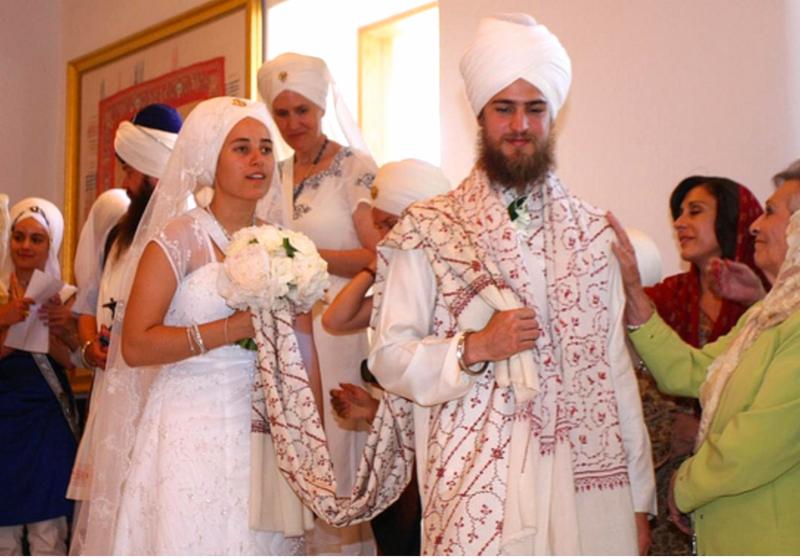
Dhan pir ayheh n aakheen behan eikathay hoeh Ayk jot dueh mooratee dhan pir kehee-eh soeh Guru Amar Das, Siri Guru Granth Sahib page 788
They are not said to be husband
and wife who merely sit together
They alone are called husband and
wife who have one light in two bodies ||3||
Gurdwaras maintain kitchens so that food can be prepared and shared
with the entire community. People of every religion are welcome at
Gurdwaras, and in the community kitchen. Also, when people pray and
worship in the Gurdwara, everyone sits on the floor, grouped together.
No one sits in front of or, higher than, anyone else. In this way
Sikhs demonstrate their sense of social.
Bhai
Sahiba,orBhai Sahib: Bhai means Sister or Brother. Sahiba or Sahib means Madam or Sir. These are also titles of reverence
bestowed upon highly respected Sikh women and Sikh men respectively for their dedication, spiritual wisdom, insight and knowledge.
God: Think about this. You grew and developed your magnificent brain, perhaps the most complicated thing in the world without even thinking about it. A supremely intelligent Life Force of unknown origin created and sustains this wondrous miracle. This benevolent Force is what Sikhs refer to
as Ek Ong Kar, the One Creator of Creation, the One In Charge, what Jews and Christians call God. See OneIsTheAnswer.com.
What is God? In reality it is your own positive self, your higher Self,
your universal Self, the Self, which knows no defeat, the Self, which can rise
again and again and again like a wave in the ocean. Yogi Bhajan 7/17/1984
Hari: Name for God,the creative aspect. 'Har' is the primal name/sound of the Creator. 'I' is the active aspect.
Karma: The force generated by a person's actions held in Hinduism and Buddhism to perpetuate transmigration and in its ethical consequences to determine the nature of the person's next existence. (Newton's Third Law of Motion. For every action, there is an equal and opposite reaction.) See More Definitions.
Kaur: Princess. Female Sikhs are given Kaur as part of their
given name. A female Sikh's given name, as in many other
traditions, usually denotes some aspect of the Creator. Female and male Sikhs
can have the same given name, e.g., Hari Kaur, woman, and Hari Singh,
man.
Khalsa: Body of Pure Ones, i.e., "those who
contemplate the Lord," from Sukhmani Sahib; who live by their inner purity and light;
who are pure of heart. Sukhmani Sahib is the name given to a set of hymns divided into 24 sections, which appear in the Sri Guru Granth Sahib. Khalsa DOES NOT apply exclusively to Sikhs. The Khalsa includes ALL those who
contemplate God; ALL who live by their inner purity and light; ALL who are pure of heart. Mankind must be ever mindful of the tendency to tribalism. Also see Tribal vs. Tribalism.
Mahan Tantric: "Mahan" is a Sanskrit word meaning principle, supreme, great, or high. "Tantric" is a Sanskrit word meaning one who weaves together, as in weaving together the physical and the spiritual, as in joining together the human and the divine. See Tantra Yoga. See TheMahanTantric.com.
Mukhia
Jathedar: Chief (Senior) Leader; the honor bestowed upon women and
men who have manifested exceptional qualities of knowledge and service to the community.
Mukhia
Sardarni Sahiba,andMukhia Singh Sahib(aka MSS): Chief Noble Lioness, and Chief Noble Lion, are ministerial titles
bestowed upon women and men respectively who have manifested exemplary service
to the community. Indicates an elder of Sikh
Dharma International.
Naam(Nam or Name):Word-Sound; the expressed sound current by which God, the I AM; the One Creator of Creation is acknowledged,
worshipped, remembered, honored, celebrated and
appreciated as the One Thee-Me in EveryBody. (See Word Physiology. See Be Your Allness. See Acknowledgements.)
Sat Kartar: The True Doer of all. A term sometimes used to acknowledge the reason Sikhs do not proselytize,* i.e., only those whose destiny is to be a Sikh will be Sikh. *See Example.
Sat Kartar:God is the Doer.
Sat
Nam: Authentic Truth. Used as a greeting, it means Truth is your One Identity, your Essential Essence. In other words, you
are IT, I am IT, we are IT. (Also see Sat Nam Means.)
Sat
Siri (Siri or Sri) Akal: Supreme Truth never ends, i.e.,
our True Identity is undying.
Shakti Pad: The status or mindset of any practitioner, who knows far less than they think they know, and which fails to acknowledge same. The worst-case scenario is that one falls into the trap of convincing oneself and others that only they know the best way, and that the old ways need to change, going forward. Beware of the 'tiger's bite'! It is a normal consequence of 'riding the tiger' of pride. One must be alert to the signs in order to take appropriate action. One must surrender their ego, realizing that learning never stops. See Antidote.
Singh: Lion. Male Sikhs are given
Singh as part of their given name. A male Sikh's given name, as in many other
traditions, usually denotes some aspect of the Infinite. Male and female Sikhs
can have the same first given name, e.g., Hari Singh, male, and Hari Kaur,
female.
Singh Means Lion
The Lion sleeps no more.
Siri
Sardarni Sahiba, and Siri
Singh Sahib(aka SSS):Supreme Noble Lioness and
Supreme Noble Lion, are ministerial titles bestowed upon women and men
respectively who are religious authorities within a particular
domain of Sikh
Dharma International. SeeSiriSinghSahib.com.
Tantra Yoga: "Tantra" means woven together. "Yoga" means union.
Wahe Guru: The Indescribable Experience of Indescribable
Wisdom, which is commonly known only as 'God'.
Wahe Guru Ji Ka Khalsa - Wahe Guru Ji Ki Fateh: An expression or greeting meaning that those who meditate on the Infinite (Khalsa) belong to the Infinite. And any and all accomplishments belong to the Infinite, i.e., God.
White Tantra Yoga: "White" connotes self-mastery, meaning under one's personal control as opposed to "Black", or under remote or other's control. See WhiteTantraYoga.com.
NOTE:White Tantra Yoga should not be confused with Black Tantra Yoga or Red Tantra Yoga. These forms of yoga also transform energy, but in a different way and for a different purpose. White Tantra Yoga directs the energy to self-mastery. Black Tantra Yoga directs the energy to manipulate other human beings, and Red Tantra Yoga directs the energy solely for sexual purposes.
Sikh Religious Position
On the swearing of oaths in court
"Holy books can be taken to court.
Not the Guru!" -- Jaidev Singh Anand
Guru Granth Sahib is the LIVING Spiritual Guide of the Sikhs. Taking the Guru or any part of it, e.g., the Gutka, to the court constitutes an act of grave sacrilege. Stating something on oath using the word “God” or “Guru” is considered blasphemous in the Sikh religion. So also is the act of giving testimony by touching or holding the Sikh Holy Scripture, Guru Granth Sahib, or any part of it, e.g., the Gutka. Sikhs should exercise their right to Testify by Affirmation, which is more in accordance with Sikh belief and practice. Sikhs should not remove their head covering while in court. -- Sikh Missionary Society UK See More.
There
is no mark, which sets apart
The Ever Changeless Light of hearts.
No caste or sect, shape, form or hue;
Imagination can't construe
His Greatness or His countless Names;
The King Who o'er the three worlds reigns;
A million Indras can't compete;
God's men and demons touch His feet.
The
world's vast fortunes seem as weeds
Amidst the garden of His deeds.
Thus, by His deeds His Name is
placed;
Breath of Wisdom, Grace of grace.
Even forests slim or small
In glades and glens repeat the call,
"He is Infinite and All... Infinite and All."
I
bow to Thee, Eternal,
Beyond death the Beauteous Form.
To the Merciful and Mighty,
O, I bow to Thee, Unborn;
To the One Who has no costume,
Who’s beyond all destiny,
Without treasure, without body, Indestructible is He;
Who is Nameless and cannot be named,
Who occupies no space,
Beyond karma, beyond dharma, beyond need of dwelling place.
O,
I bow to Thee Unconquerable, the Stranger to defeat.
To the Fearless, Self Sufficient One, the One without deceit;
To the One Who has no color, no beginning and no end,
Who is Bountiful and Faultless, Far Too Great to comprehend;
O, I bow to Thee Who art but One and Thee Who many be.
Beyond earth, air, water, fire and gas, I bow my Lord to Thee...
Beyond earth, air, water, fire and gas, I bow my Lord to Thee.
I
bow to Him beyond all deeds, Who wears no special dress,
Who has no country, name or manner, the Desireless.
I bow to Thee Imperishable, Thee from sorrow free;
Beyond attachment, anger, pride, desire and greed is He;
To the One in need of no one, Who is worshipped in three worlds;
The Source of every treasure, He Who cannot be installed.
He Who’s free from all affliction, independent of all breath;
He Who organizes and destroys, Who is the Death of death.
O,
I bow to He Who generates, the One Who can't be known.
The Source of passion, strength and grace;
I bow to Thee, Unborn;
He Who is the Supreme Yogi, far beyond all intellect;
He in need of no support, yet Who supports the ocean's depth...
He in need of no support, yet Who supports the ocean's depth.
I
bow to He Who has no caste, religion, faith or creed;
Sublime and All Prevailing Beauty, with no lineage;
The Countryless, the Garbless, Homeless, Spouseless, King of all,
Who dispenses death and mercy, He Who takes the shape of all.
O, I bow to the Creator, the Sustainer, the True Lord;
To the One Annihilator, low I bow to Thee Unborn;
To the One Who has no secrets, He Who is the Death of all;
The Creator of all beauties, their destruction and their fall.
O,
I bow to the Sustainer, Omnipresent in all hues;
Who prevails throughout the universe, the Endless Well of Truths.
O, I bow to Thee, Immortal Lord, to Thee untouched by age;
To the Doer, the Forgiver, to the Fearless and the Sage...
To the Doer, the Forgiver, to the Fearless and the Sage.
He
Who is Every Occupation, no relations, no restraint;
To the kind and constant Husband, Aspiration of the saint;
To the Endless and the Infinite, the Love of every soul;
The Creator and Destroyer, bend thou low, this mortal coil.
Bow down to the Lord of Yogis, the Sustainer of the wife;
The Enjoyer of all pleasures, the Caretaker of all life.
He
Who's kind and understanding, more impartial than the sea;
He Who dries up all life's fluids, O, I bow my God to Thee.
To the Bountiful and Fruitful, Who is not sustained by breath;
Who is Fearless and Desireless, He Who is the Death of death;
Who is Infinitely Gracious, Who’s within and out of me;
To the Only God whose Name is Truth, I bow, my Lord to Thee...
To the Only God whose Name is Truth, I bow, my Lord to Thee.
I
bow to Thee, O Virtuous, upon Whom all rely;
He Who lives in everyone, the One from Whom all shapes arise;
To the Moon of moons, the King of kings, the most respected One;
Unto He Who has no comrade, Hymn of hymns and Sun of suns;
He Who is the Dance within the dance, the Sound within the sound.
To the Music of all music, to the Current, I bow down;
To the One Who is the Hand and is the hand's Activity,
Who contains all forms, all maya, Great and Glorious is He.
The
Dispute of all disputes, the Supreme Siddha of the verse;
To the User of all weapons, Mother of the universe;
Who is All-Supreme in wisdom, without lust and costume free;
To the Master of maneuvers, O, I bow my Lord to Thee...
To the Master of maneuvers, O, I bow my Lord to Thee.
I
bow to He Who cures disease, Who takes our daily care;
Present in both gods and demons, Who is Dutiful and Fair.
He Who knows all forms of cunning, the Embodiment of love;
Who bestows all life and charity, All Seeing Lord above;
To the Mantra of all mantras, Pure of fire and the Pure;
To the Jantra of all jantras, Conqueror of the universe;
The Immortal, Without Master, to the True and Blissful Form;
To the Tantra of all tantras, low, I bow to Thee Unborn.
O,
I bow to He Who rules all wealth, the Brightest of the bright;
To the Seed of seeds, the Song of songs, the Form of dark and light;
To the Honored of all honored, without fear or mystery;
Object of all meditation, O, I bow my Lord to Thee...
Object of all meditation, O, I bow my Lord to Thee.
I
bow to the Bestower of all knowledge time and space;
To the Source of love, the Source of strength, salvation, bliss and
grace.
He Who takes the form of passion, He Who takes the form of pain;
To the Harshest of the harsh, the Many and the One again;
To the Everlasting Sculptor Who is pleased with every mold;
The Embodiment of kindness, the Controller of the soul;
The Destroyer of the three conditions, future, past and now.
He
Who is the Life of life, bestowing undestroyable power;
To the Battle of all battles, the Embodiment of peace;
The Unalterable Essence, Formless through eternity;
To the Righteous Lord of Indras, Who’s within and out of me;
Meditation of all meditations, Lord, I bow to Thee...
Meditation of all meditations, Lord, I bow to Thee.
*The
dates are given in BCE (Before Common Era) and CE (Common Era). These
years correspond to the same dates in BC and AD but by defining the
current period as the "Common Era" the nomenclature attempts
to treat all religions and beliefs as equal.
"We've
never started a war before, but we
have finished many." -- Livtar
Singh Khalsa
Bole
So Nihaal...Saat
Siri Akaal One who speaks this shall be blessed.
Only Truth is Supreme and
Undying.
"Grant me this boon, O God. May I never refrain from righteous actions. May I fight,
without fear all foes, in life's battles, with confident courage, claiming victory! May
thy glory be engraved in my mind, and my highest ambition be singing Thy praises.
And when this mortal life comes to end, may I die fighting with limitless courage."
Bole
So Nihaal...Saat
Siri Akaal Dhaeh shiva bar mohi eihai
Subh karaman thae kabehoon n ttaro Dhaeh shiva bar mohi eihaiSubh karaman thae kabehoon n ttaro
N ddaro ar so jab jaae laroNischai kar apanee jeeth karo Dhaeh shiva bar mohi eihai
Ar Sikh ho aapanae hee man ka
Eih laalach ho gun tho oucharo
Jab aav kee aoudh nidhaan banai
Ath hee rann mai thab joojh maro
Bole
So Nihaal...Saat
Siri Akaal Dhaeh shiva bar mohi eihai
Subh karaman thae kabehoon n ttaro
N ddaro ar so jab jaae laro
Nischai kar apanee jeeth karo
Dhaeh shiva bar mohi eihai
Jo tho praem khaelan kaa chaao
Sir dhar thalee galee maeree aao
Eith maarag paidr dhareejai
Sir dheejai kaan n keejai
Bole
So Nihaal...Saat
Siri Akaal Dhaeh shiva bar mohi eihai
Subh karaman thae kabehoon n ttaro
N ddaro ar so jab jaae laro
Nischai kar apanee jeeth karo
Dhaeh shiva bar mohi eihai
Sooraa so pehichaaneeai
J larai dheen kae haeth
Purajaa purajaa katt marai
Kabehoo n shaaddai khaeth
Bole
So Nihaal...Saat
Siri Akaal Dhaeh shiva bar mohi eihai
Subh karaman thae kabehoon n ttaro
N ddaro ar so jab jaae laro
Nischai kar apanee jeeth karo
Dhaeh shiva bar mohi eihai
Marathaa marathaa jag muaa mar bh n jaanai koe
Aisee maranee jo marai bahur n maranaa hoe
Bole
So Nihaal...Saat
Siri Akaal Dhaeh shiva bar mohi eihai
Subh karaman thae kabehoon n ttaro
N ddaro ar so jab jaae laro
Nischai kar apanee jeeth karo
Dhaeh shiva bar mohi eihai
Dhaeh shiva bar mohi eihai
Dhaeh shiva bar mohi eihai
Dhaeh shiva bar mohi eihai
Bole
So Nihaal...Saat
Siri Akaa Wahe Guru Ji Ka Khalsa Waheguru Ji Ki Fateh
"In the beginning was the Word. It doesn't say in the beginning was God. -- Yogi Bhajan
"The
two most important things in your body are the upper palate, which
is the base of the hypothalamus, because the hypothalamus controls
the
entire nervous system, and the tip of the tongue, which affects the
central
nerve channel, sushumna.
That controls your entire psyche." -- Yogi
Bhajan
"The meaning of the Word-Sound is not what is important.
It is the effect of the Word-Sound that matters." -- Hari Singh Khalsa
Guru Angad, the second Sikh Master, invented the Gurmukhi script. Guru Nanak named Guru Angad to succeed him as the Guru for the Sikhs in 1539. Gurmukhi means "from the mouth of the Guru." The Gurmukhi script accomplished something very special. It allowed people to be able to read and pronounce the songs written by Guru Nanak. Up until that point in history, the dialect spoken by Guru Nanak and his contemporaries had no written equivalent. Written languages were reserved for the powerful, the wealthy, and the high-castes. There was no writing or reading based on the common language.
Gurmukhi was developed to be a very precise phonetic language. By learning to pronounce Gurmukhi, people could not only learn to read and pronounce the songs written by Guru Nanak; they could also learn how to pronounce the songs that Guru Nanak had preserved during his life from other masters and sages, even if those songs were in a completely different language. The purpose of Gurmukhi was not to simply represent the common language of the time, but to allow people to read and sing sacred songs in other languages as well.
Why did this phonetic language develop? And what does it have to do with the Shabad Guru – the Guiding Sound of Wisdom?
Being awakened or enlightened is not simply a mental state. It is a physiological state as well. How we breathe, how the glands secrete, how the nervous system is operating—all of this changes based on what we speak, what we hear, and what we perceive. When Guru Nanak sang his songs, the words he brought forth had a two-fold effect. On the level of language, they imparted a certain philosophical meaning of how to see the world. But in the science of Naad (sound), the songs have the ability to change the physiology of a person and bring them to a more heightened state of consciousness.
The invention of Gurmukhi was key to opening the doors of the Shabad Guru to all people. Through learning this very simple, precise method of pronunciation, and by repeating the words of the sages, you begin to induce in yourself the same state of consciousness that they were in when they sang the songs. It begins to create the same changes in the physiology. It opens the door to higher awareness. And all that is required is your breath and voice imitating and repeating those sounds.
This is the essence of the Shabad Guru. It is between you and you. There is no one else involved. It only requires your breath reciting this sacred poetry. By this practice, there is a process you undergo within your own ego and identity to transform your awareness to live at these heights. -- Ek Ong Kaar Kaur Khalsa
Those who shall not learn to obey shall never be
in a position to command. -- Siri Singh Sahib
Create dependable
children, not dependent children. Give your children
the basic values to face their own tomorrows, not be blinded by yours. Make
them proper personalities, not helpless puppets. Position them for success; do
not paralyze them with the commotion of your emotions. -- Siri Singh Sahib
The basic aspect of you as woman is not in your sensuality and in your dramas.
You are not only the givers of life, you are the manufacturers of character. Whatever
character you will give to your children, that shall be their future. -- Siri Singh Sahib
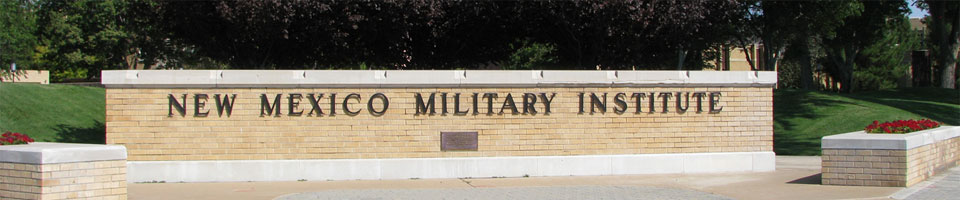
OUR YOUTH DESERVE LEADERSHIP TRAINING New Mexico Military Institute can provide this.
A two-year leadership program is available.
Sat
Nam, Khalsa ji! I am a passionate proponent of a more equitable balance
between our collective Saint-Soldier mind set as Sant
Sipahi. In this context I strongly urge Khalsa parents, especially
our women, the first teachers of our children, to consider the following points.
.) I urge you to consider enrolling our children at the New
Mexico Military Institute, located in Roswell, New Mexico. My
kids graduated high school with honors at NMMI in the early '80s,
the first children of Sikh
Dharma to attend a military school in America. The Siri
Singh Sahib expressed pleasure upon observing
cadet training when he visited NMMI in 1983. He advised us then that he
would have enrolled his own children at NMMI if he had known of its existence. Another group of children
who attended school in India later attended NMMI in the early '90s.
Sikh Chaplain, MSS Hari Singh Bird, addresses Sikh cadets in front of the NMMI chapel, 1992.
New Mexico Military Institute offers an outstanding two year college option for your sons and daughters after they complete their
time at Miri Piri Academy. For those families for which MPA is not an option, NMMI has an excellent four year high school college prep program in addition to their two year
college program. New Mexico Military Institute has been ranked No. 5 on a list of the nation’s top 50 community colleges by an independent organization, i.e., TheBestSchools.org, which has described the Roswell, New Mexico school as the “only state-supported, coeducational, military boarding school in the United States.” The school offers college prep, a four-year high school and a two-year junior college. See NMMI
Strategic Measures Statistics.
Each of the former Sikhi students/graduates
of NMMI provide a testament to the advantages of attending NMMI, which
include a rigorous and challenging lifestyle, camaraderie and fellowship,
and outstanding leadership
training especially, along with NMMI's excellent scholastic program.
This experience prepared them for additional university training, and exciting
careers all over the world. NMMI is the only American prep school I know
that has a history of accommodating the Sikhi lifestyle, i.e., sadhana, kesh, turban, sipahi training, and vegetarian diet. And it is an excellent environment for Sikhi youth to learn leadership
and soldiering skills for which the Siri Singh Sahib was a passionate
proponent.
The NMMI program offers MPA students and other Sikh youth
a unique and reasonably cost-effective opportunity to transition
from the Indian program into the American experience as a unit, and the obvious advantage of continued
bonding with their peers. See NMMI
Admissions, or click admissions@nmmi.edu, or call 800-421-5376.
.) I urge you to reflect on the Siri Singh Sahib's words, "Human
is a blend of saint and soldier; this is a complete person. If you
are not a soldier your sainthood will be kicked around. If you are
only a soldier, not a saint, you will start kicking others around."
Again, our youth deserve leadership training going forward. I know of no readily available source of formal leadership
training available to our Sikh youth other than the New Mexico Military
Institute.
*'Bole
So Nihaal': "One who speaks these words shall be blessed."
An exaltation traditionally expressed on occasions when
a rallying affirmation is appropriate. The answer to this
call is 'Saat Siri Akaal': "Truth is supreme and
undying."









 ... Sikhism takes a larger, universal and
  --
--  To train the mind and the senses to recognize the Divine Light within oneself and within all of creation.









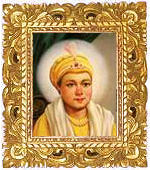
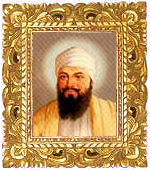
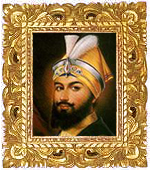
 Denotes Beginning of Guruship










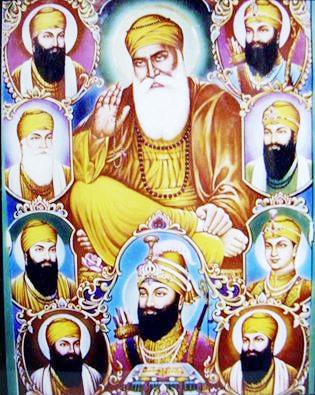
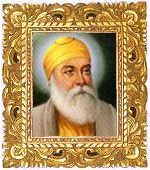
 .) Guru Nanak -- Soul Body
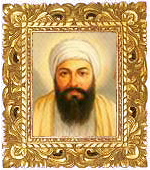
  .) Guru Angad -- Cautionary Mind
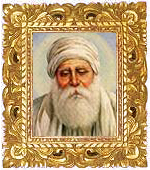
 .) Guru Amar Das -- Postive Mind
  .) Guru Ram Das -- Neutral Mind
 .) Guru Arjan -- Physical Body
  .) Guru Hargobind -- Arcline-Halo Body
 .) Guru Har Rai -- Auric Body
 .) Guru Har Krishan -- Pranic Body
 .) Guru Teg Bahadur -- Subtle Body
 .) Guru Gobind Singh -- Radiant Body --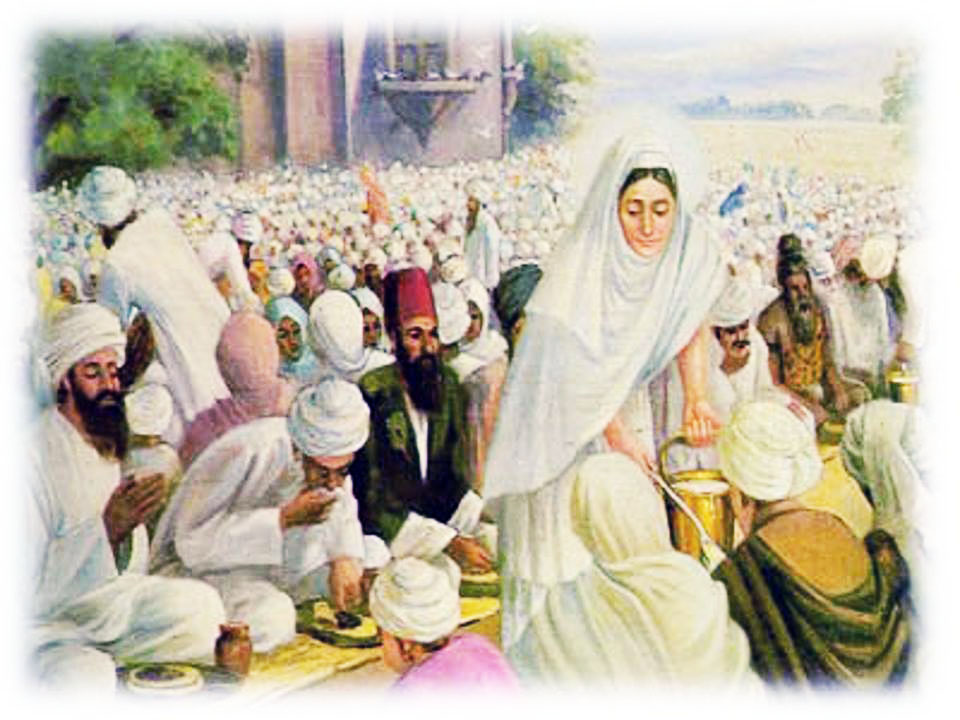

 One Immortal Being,
 Dhan pir ayheh n aakheen behan eikathay hoeh
 Greetings, Names, and Titles