My
name is Hari Kaur Bird. If
you like garlic and onions, you're going to love what follows... a
recipe for Sopa Seca Supreme, the world's best Mexican rice
dish.
Sopa
Seca Supreme A favorite dish of Yogi
Bhajan's
A delicious Mexican rice dish...
made with 'tons' of garlic and onions.
Years
ago, my husband's neighbors, Bernice and Louis Martinez, introduced
him to a vegetarian, and Native
American rice recipe. It's called Sopa Seca, which means 'dry
soup'. It's also known simply as Sopa. It's a real family favorite, so much so that Yogi
Bhajan even insisted that it be prepared for him when we
hosted him at our Florida residence in the early days of 3HO, back in the late
60s. What follows will make at least 12 garlic and onion lovers
very happy. Also see Native
American Fry Bread.
Utensils
and Ingredients for making Sopa
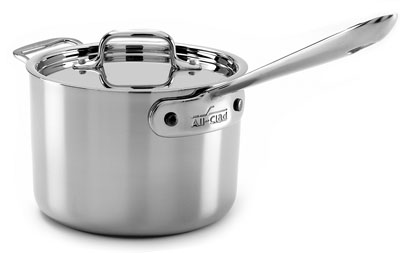
Stainless steel pot (aluminum
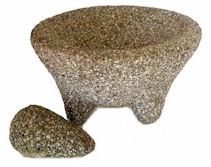
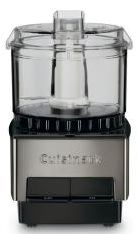
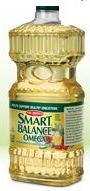
pots pose a health risk) Basmati rice (not precooked) Omega-3 cooking oil Molcajete
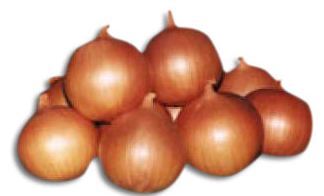
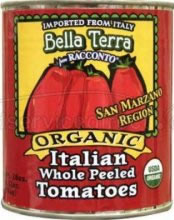
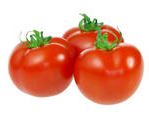
bowl and pestle OR household food processor Garlic Onions Canned tomatoes (San
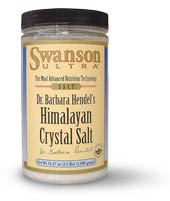
Marzano's are naturally sweet) Salt (Use sparingly -- Himalayan
crystal salt is healthier) Tomato paste (optional) Ghee(optional)
Add several
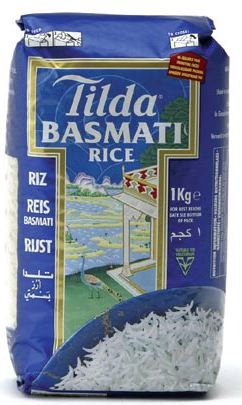
cups of basmati rice covering 1 to 1.5 inches of pot Add omega-3
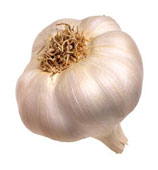
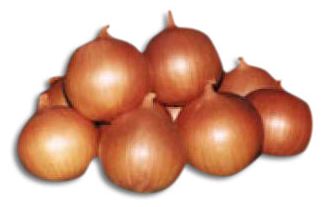
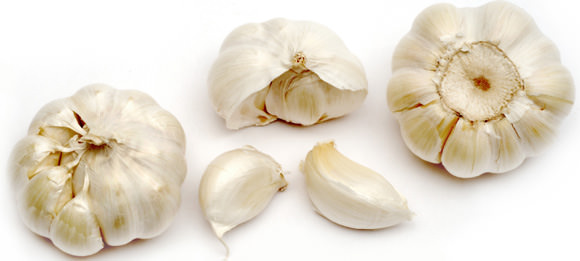
cooking oil (use only enough oil to lightly cover rice) Crush 1 small to medium bulb of garlic (more if desired*) Crush 8 to10 small to medium cooking onions, and Crush
1 large can of whole tomatoes, garlic, onions in molcajete
bowl Add 1
teaspoon of salt or more to taste Add 1
small can of tomato paste for richer tomato flavor, if desired Add ghee (clarified butter) for extra richness, if desired
*IMPORTANT: 1) Always crush your garlic and onions using a molcajete
bowl or use a food processor in the absence of a molcajete
bowl. Just finely chopping the garlic and onions will result in noticeably less flavor. The individual garlic and onion cells must be opened in order to release their Chi or Prana (essence). This can happen only if they are crushed. 2) Use caution if you want to add more garlic. Always err on the side of less garlic. While extra garlic may be desired, you can cross the line whereby
a bitter taste results.
Large
chunks of garlic, onions and tomatoes
for more body and color can be added, if preferred.
Cooking
Details
First, use a stainless steel pot (not aluminum). Add several
cups of basmati rice, i.e., cover the bottom of the pot with 1.5
to 2 inches of rice (we use uncooked basmati rice). Add just enough high
quality cooking oil to ever so lightly touch the rice. Place the
pot on low heat while you process the garlic, onions and tomatoes.* Caution: Watch this mixture closely
to avoid sticking or burning of the rice - temperature settings
can vary greatly from stove-to-stove. *Note: Low heat will minimize
unhealthy chemical changes in the oil and help to sustain Chi.
If the rice becomes light brown in color before you are ready to
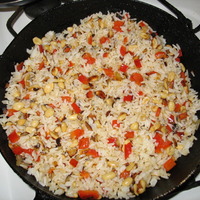
proceed to step 2, remove the pot from the heat. Note: The rice is partially cooked, initially, in the oil, and then it cooks to tender with the water from the tomatoes. If more water is needed, be careful not to add too much. Sopa seca is meant to be relatively dry, not soupy, when done.
When the rice
is a light gold to light brown color, not dark brown, turn up the
heat to a medium setting. Add the crushed garlic and onions, stir
well and saute them for 1 to 2 minutes. Then add the crushed tomatoes.
Add an extra small can of crushed tomatoes or tomato paste later
for extra tomato flavor, if desired. Add
salt and stir. Cover the pot and cook the rice until
it's tender. Stir frequently.
Be Alert! When
the rice begins to stick to the bottom of the pot turn down the
heat. Again, stir frequently to avoid sticking
and burning the rice. When the rice is tender, turn heat
off and partially uncover the rice. Leave the pot on the
stove and let the pot cool to room temperature.
Garlic
and onion flavors improve after Sopa sits for a day.
(That is if you can keep everybody from picking at it.)
Serving Suggestions
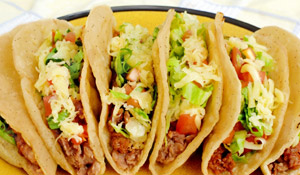
Add Sopa
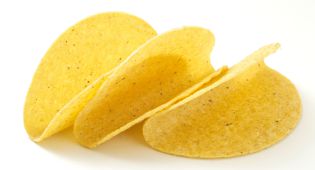
to tortillas or taco shells, then add your favorite salsa (see Super Salsa Recipe) and
some ghee, if desired.
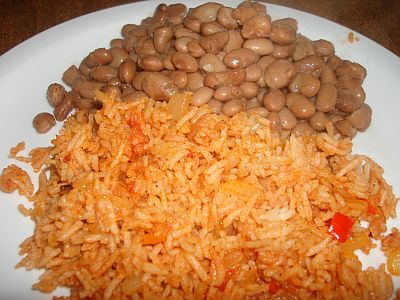
Serve Sopa Seca
along with some refried beans, shredded cheddar cheese and some
salad and-or guacamole.
At least 12 garlic and onion lovers will feel as if they've died
and gone to heaven. (Never mind their garlic breath!)
For
Best Results Crush the Garlic and Onions
in a Molcajete Bowl with a Pestle
Molcajete y Tejolote
Mohl-kah-HEH-teh ee Teh-hoh-LOH-teh
The
best way to make Sopa is to crush
the garlic, onions and tomatoes using a molcajete (mohl-kah-HEH-teh)
bowl and pestle. Of course, a household food processor or finely
chopping them by hand are also acceptable, but only if you can't
get a molcajete and pestle, which is an age-old Native American-Aztec
'food processor' made of genuine lava rock.
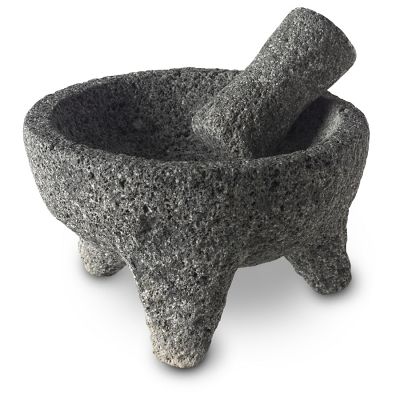
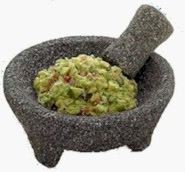
'Molcajete
y Tejolote' is the Aztec term for a 'mortar and pestle', molcajete
meaning the mortar, tejolote the pestle. The grey-black, rough texture
of both pieces is because they are made of natural basalt, i.e.,
volcanic rock. These are used in the traditional Native
American manner for grinding spices, herbs, roots and other
edibles.
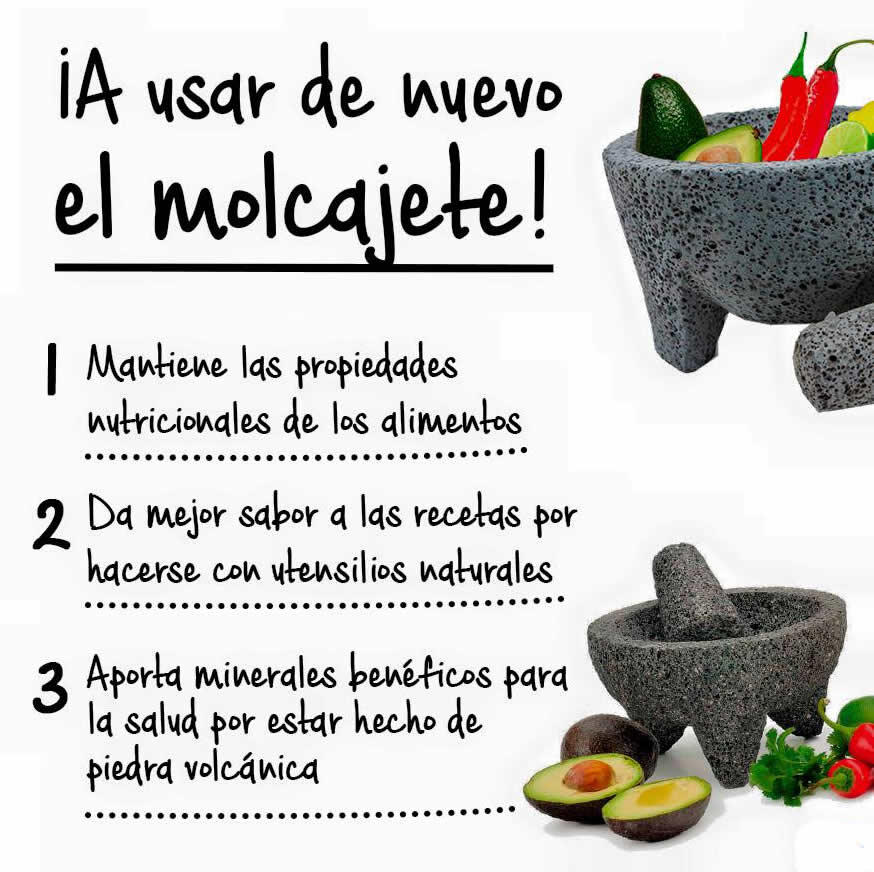
Crushing
the garlic and onions in a molcajete bowl is preferred over
other methods because processing in this manner adds Chi (life-force).
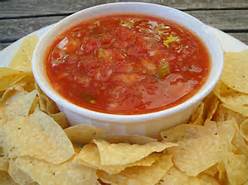
Super Salsa Recipe
Super salsa and chips
1 29 oz. can crushed tomatoes
1 medium size onion, chopped
1 or more chopped cloves of garlic
1 tsp. crushed red pepper
2 tsp. Mexican oregano, preferable
2 tsp. salt - to taste
1 Tblsp. ground black pepper
4-6 oz. coarsely chopped cilantro
1/2-3/4 cup red wine vinegar
1/2 cup vegetable oil
Aztec
Figures
The word molcajete (mortar) derives from Nahuatl, the language of
the Aztecs:
molli (seasoning or sauce), and caxitl (bowl). The word tejolote
(pestle) also derives from Nahuatl: tetl (stone), and xolotl (doll).
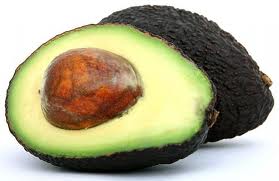
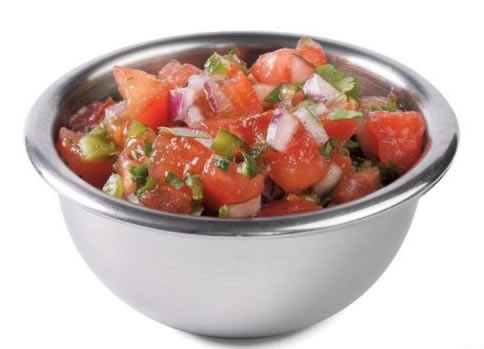
Guacamole:
Avocados and garlic prepared in a
molcajete bowl and served with chips and pico de gallo.
Foods traditionally prepared in the molcajete include salsas and
mole's (mohl-LAY), as in 'guaca-mole'. It is also used for grinding
chilies, garlic, onions, tomatoes or other herbs and spices for
many native recipes.
The
best quality molcajetes are made from basalt-lava stone with the
lowest possible sand content. This stone can have a very fine-grain,
smooth feel or a very rough-texture. The coarser textured stone,
like the example above, is
hard and makes a good grinding surface. See
instructions below.
CAUTION: Beware of fakes. Molcajete bowls can be found online. Cheaper molcajetes may have a very "rounded
appearance" with a pear or cone-shaped pestle. They are
softer and easier to carve and thus less expensive. Unfortunately they are terribly 'sandy' and no matter how you may try to cure
them, i.e., grind the pieces together using water in order
to smooth the surfaces and eliminate the grit, they
remain gritty and unusable for food preparation purposes.
Both plain and pig-head
versions, are inexpensive reproductions cast out of a combination
of concrete and crushed stone, or a different type of non-basalt
river rock. These continually produce a very gritty residue,
and they don't make good quality food grinding pieces. They
are typically very shallow so they have a very small hard-to-use
capacity. These are used mostly as decorator items, ash trays,
planters, etc. Make
sure yours is an authentic Mexican, hand crafted, basalt-lava,
molcajete..
Curing
procedure for a newly acquired Molcajete: With the pestle
in hand, grind the molcajete bowl using water as a lubricant. Flush
both utensils with water frequently until all surfaces are smooth
and free of any gritty residue. The bowl and pestle will retain
flavors and aromas of anything crushed with them. The more they
are used, the life-force (Chi) they acquire, so use water only to
clean them.
CAUTION: Use WATER ONLY to cure and-or clean
your molcajete and pestle after each use. Never use soaps or detergents.
The accumulated Chi of the herbs
and spices will strengthen with time, which will make for increased
health benefits.
Chi
Energy
Many
of us these days are aware of calorific content and nutrition when
we prepare our food, but how many of us stop to consider the quality
of the Chi or Prana we are getting from our meals?
All living things contain Chi. Chi is the vital life-force that
sustains us and animates us. We get most of our Chi through the
air that we breathe - one of the reasons that spiritual disciplines
often include focusing on the breath,
however we can also absorb Chi through our diet. Fresh and-or properly
prepared foods retain more life-force.
The food we eat varies considerably in the amount of Chi. Factors
such as growing methods, storage conditions, preparation and cooking
methods affect the amount of life-force in our food. --
Points To Ponder
Not
all doctors are healers.
Not all healers are doctors.
"Let
your food be your medicine,
and let your medicine be your food." Hippocrates, the Father of Medicine
"Nothing
will benefit human health and increase the
chances for survival of life on Earth as much as the
evolution to a vegetarian diet."-- Albert Einstein
"In
each and every environment, good
health and sustained wellness is dependant
on the rapid removal of waste.
In terms of our
personal health, one needs to void solid waste two to
three times a day or once between each meal, without
straining, to maintain basic health and wellness. Toxins can
be harmless if removed quickly from the body." -- Hari Singh
*Consultation
with a health care professional should occur before applying adjustments
or treatments to the body, consuming certain foods, medications or nutritional
supplements, and before dieting, fasting or exercising. None of these
activities are herein presented as substitutes for competent medical
treatment.





 Stainless steel pot (aluminum
pots pose a health risk)
Stainless steel pot (aluminum
pots pose a health risk)
 Add several
cups of basmati rice covering 1 to 1.5 inches of pot
Add several
cups of basmati rice covering 1 to 1.5 inches of pot
 First, use a stainless steel pot (not aluminum). Add several
cups of basmati rice, i.e., cover the bottom of the pot with 1.5
to 2 inches of rice (we use uncooked basmati rice). Add just enough high
quality cooking oil to ever so lightly touch the rice. Place the
pot on low heat while you process the garlic, onions and tomatoes.* Caution: Watch this mixture closely
to avoid sticking or burning of the rice - temperature settings
can vary greatly from stove-to-stove. *Note: Low heat will minimize
unhealthy chemical changes in the oil and help to sustain
First, use a stainless steel pot (not aluminum). Add several
cups of basmati rice, i.e., cover the bottom of the pot with 1.5
to 2 inches of rice (we use uncooked basmati rice). Add just enough high
quality cooking oil to ever so lightly touch the rice. Place the
pot on low heat while you process the garlic, onions and tomatoes.* Caution: Watch this mixture closely
to avoid sticking or burning of the rice - temperature settings
can vary greatly from stove-to-stove. *Note: Low heat will minimize
unhealthy chemical changes in the oil and help to sustain  When the rice
is a light gold to light brown color, not dark brown, turn up the
heat to a medium setting. Add the crushed garlic and onions, stir
well and saute them for 1 to 2 minutes. Then add the crushed tomatoes.
Add an extra small can of crushed tomatoes or tomato paste later
for extra tomato flavor, if desired.
When the rice
is a light gold to light brown color, not dark brown, turn up the
heat to a medium setting. Add the crushed garlic and onions, stir
well and saute them for 1 to 2 minutes. Then add the crushed tomatoes.
Add an extra small can of crushed tomatoes or tomato paste later
for extra tomato flavor, if desired.  Be Alert! When
the rice begins to stick to the bottom of the pot turn down the
heat. Again, stir frequently to avoid sticking
and burning the rice. When the rice is tender, turn heat
off and partially uncover the rice. Leave the pot on the
stove and let the pot cool to room temperature.
Be Alert! When
the rice begins to stick to the bottom of the pot turn down the
heat. Again, stir frequently to avoid sticking
and burning the rice. When the rice is tender, turn heat
off and partially uncover the rice. Leave the pot on the
stove and let the pot cool to room temperature. 












 *Consultation
with a health care professional should occur before applying adjustments
or treatments to the body, consuming certain foods, medications or nutritional
supplements, and before dieting, fasting or exercising. None of these
activities are herein presented as substitutes for competent medical
treatment.
*Consultation
with a health care professional should occur before applying adjustments
or treatments to the body, consuming certain foods, medications or nutritional
supplements, and before dieting, fasting or exercising. None of these
activities are herein presented as substitutes for competent medical
treatment.