THE POWER
POINTS TO PONDER Opticianry is defined by how well the eyewear makes contact with the patient. "For the last few decades our collective "When Opticians do not touch the consumer at the time "The real challenge for any Optician is to take a symmetrically 4-point "Opticianry
is ultimately defined by how well the eyewear makes "Dentists, Manicurists and Hairstylists make direct, tactile contact with the "Opticians must assume responsibility for the current market. "When
Opticians relate to Consumers as customers, it often has an adverse With conscious human touch Opticians
For
centuries, mothers have instinctively known it works -- pick up
young children and they'll stop crying -- gently rub babies' backs
and it's off to dreamland they go. Now scientists are also coming
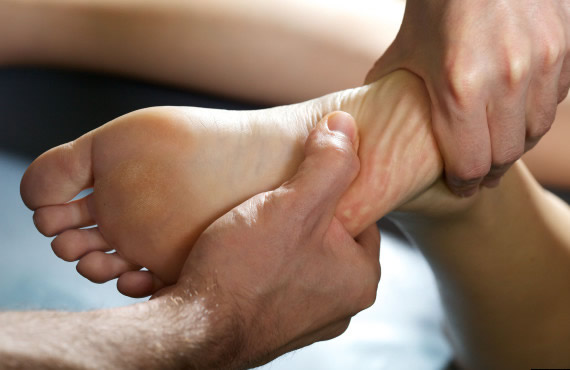
to recognize the Power of Touch -- and not just touch therapies
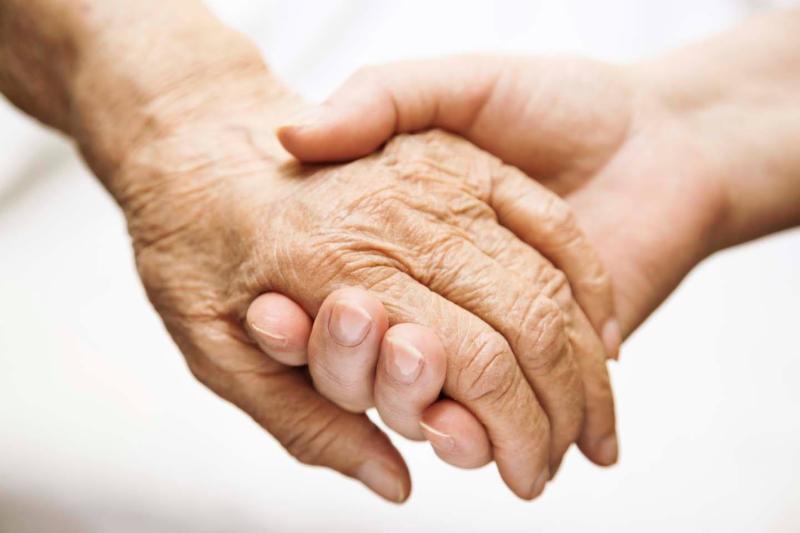
such as reflexology, but simple conscious
acts such as giving a back rub, holding hands, sharing
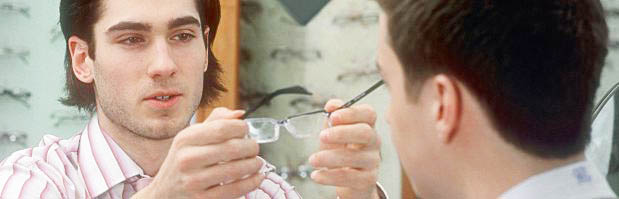
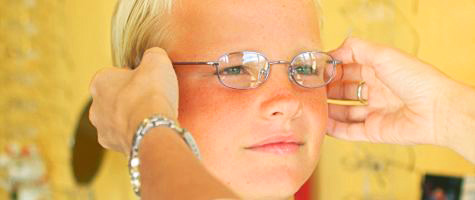
a hug, putting your arm around someone, or an Optician in the
process of delivering eyewear,
touching and feeling for the points of contact of the frame with
the Patient's skull in the process of adjusting their eyewear. And
with research demonstrating the healing power of touch, more hospitals are incorporating massage programs into care protocols for cancer and cardiovascular patients,
among others. THE VITAL IMPORTANCE OF TOUCH
Previous research has suggested that touch
deprivation leads to aggression and violent behavior in animals,
so Dr. Field is concerned that living in our largely touch-deprived
Western society can have negative consequences. It was these concerns
that led researchers at the Touch Research Institute to examine
how touch is treated differently in two cities with very different
cultures -- Miami and Paris. REACH OUT AND TOUCH Dr. Field explained that the benefits of touch seem to stem largely
from its ability to reduce levels of cortisol, a stress hormone
manufactured by the adrenal glands. This was measured in two dozen
studies. She said that touching with moderate-pressure (a firm handshake)
stimulates activity in the vagus nerve, one of the 12 cranial nerves
in the brain, which in turn slows the heart and decreases the production
of stress hormones including cortisol.
Touching is good for the giver as well as the recipient, says Dr. Field. She cites a study in which 20 children with leukemia were given daily massages by their parents. After one month, the parents' depressed moods decreased, and the children's white blood cell and neutrophil counts increased. In another study of elderly volunteers who were trained to give massages to infants, Dr. Field found that after three weeks the seniors experienced improved mood with less anxiety or depression, decreased levels of stress hormones and more social contacts and fewer doctor visits. GET IN TOUCH Touch comes more naturally to some people than others. You can make
a conscious effort to bring more touch into your daily life -- and
more happiness to yourself and those around you. Give your kids
hugs when they leave for school in the morning and when they come
home. Hold your partner's hand when you take a walk, exchange back
rubs and don't forget good-night kisses. Pet your dog or cat. Schedule
a few sessions with a professional massage
therapist and pay attention to what feels especially good --
then try it at home on one another. Relax and enjoy. See Reflexology. See Attitudes About Touch. See Back
Walking. THE TRANSFER OF ENERGY Healing Touch is a non-invasive therapy classified by the National Institutes of Health as a “biofield” therapy because its effects are thought to be due to manipulation of energy fields around the body. This therapy is considered a Holistic Therapy and it is frequently used as an adjunct to medical treatment. Treatments include light touch on specific points on the body as well as around the body, with the goal of restoring energy and vitality to the body, increasing well-being and supporting the body’s ability to heal. According
to the theory underlying this modality, the Healing Touch practitioner
uses a conscious, intentional process of directing energy through
their hands to the patient either by contacting the patient’s
energy field and-or touching the body. Healing Touch utilizes
additional specific techniques for direction and modulation of
energy. Interventions such as Healing Touch have been shown to
elicit a profound relaxation response, enhance wound healing,
reduce post surgical pain and use of pain medication, reduce tension
headache pain and anxiety, and to enhance mood and well-being
in individuals with serious illness. The concept of electromagnetic fields affecting the biological systems is not new and attempts to measure electromagnetic patterns related to illness date back to the 1940’s. There is some documentation that the physiological processes of a living system such as plant growth, enzyme activation, or hemoglobin production can be positively influenced by “exchange of energy”. However, with few exceptions, technologies to measure the hypothesis of energy transfer have been largely absent. See Massage Therapy. See Dispensing Guidelines. See Hands On Healing. See The Rescuing Hug. See Reflexology. See Onsite Family Health Care. See TimeForCraftsmanship.com. See Shift Happens.
ARE YOU AN OPTICIAN
CAN YOU BELIEVE THIS? National Health Service of the United Kingdom rules...
FREE ONLINE COURSES
Books, lectures and tests can take an Optician's skills only so far.
It is time for touch-and-feel, Hands on the Patient training. "Handcrafted frame fitting, i.e., touch and feel, hands-on dispensing, "It is incumbent on those who know, to teach those who do not know.
American
Board of Opticianry accredited and Florida
State Board approved CE hours
More Web 'Sights' by
OpticiansForChange.com 
 More Web sites by KhalsaWebMasters.com
ReachOutAndTouchSomebody.com Grateful
appreciation is hereby expressed to |
|
|

 OF TOUCH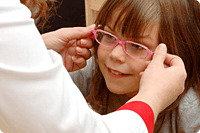
 Decreased pain. Children with mild to moderate juvenile rheumatoid arthritis who
were given massages by their parents 15 minutes per day for one
month experienced less anxiety and lower cortisol levels. Over a
30-day period, parents, kids and their physicians reported less
pain overall in the children.
Decreased pain. Children with mild to moderate juvenile rheumatoid arthritis who
were given massages by their parents 15 minutes per day for one
month experienced less anxiety and lower cortisol levels. Over a
30-day period, parents, kids and their physicians reported less
pain overall in the children.