| 1 And 1 Equals 11.com The Power of Two
Attention
Movers and Shakers
Synergistic Equation: 1 and 1 equals 11. *The Butterfly Effect
The Law of Sensitive Dependence on Initial Conditions Butterfly Effect: Metaphor for the existence of seemingly insignificant NOTE: In1963, Edward Lorenz theorized that a butterfly might flap its wings, moving molecules of air into motion that in turn moved other molecules of air, eventually becoming able to shift weather patterns on the other side of the world. Commonly called The Butterfly Effect, it has been granted the status of a law. The Law Of Sensitive Dependence Upon Initial Conditions. Source.
See Butterfly Effect Explained. SYNERGISTIC STRATEGIC PLANNING The Wisdom of The Group "Service is the answer. What is the question?” -- Hari Kaur Bird
When solving problems, your group is often smarter than the smartest people within it... If you want the best answers possible, you shouldn’t "chase the expert". Ask your subordinates. This is what makes a democracy work well. When ABC decided to resurrect Super Millionaire - its high-powered version of Who Wants to Be a Millionaire - and make it the centerpiece of its late-May schedule, what got attention were the show’s surprisingly high ratings, its bigger prizes (contestants can win $10 million), and even the return of Regis Philbin to prime-time TV. But no one paid any attention to the show’s studio audience. That’s not surprising. Game-show audiences are usually just wallpaper, there to applaud the contestants and laugh dutifully at the host’s bad jokes. The
Millionaire audience is different, however. It’s the secret
star of the show. To understand why, you need to understand the central gimmick of Millionaire, which is that when contestants get stumped by a question; they can get help in a variety of ways. Among them, they can place a call to one of five friends or relatives, people that they have designated before the show as experts in particular fields, and ask them for the right answer. Contestants can also poll the studio audience, which immediately casts its votes by computer. Everything we think we know about intelligence suggests that the "experts" did OK, offering the right answer - under pressure - almost 65% of the time. They paled in comparison to the audiences. Those random groups of people with nothing better to do on a weekday afternoon than sit in a TV studio picked the right answer 91% of the time. The judgment of the Millionaire group, in other words, has been almost perfect. This
is not a quirk or a function of the kinds of questions Millionaire
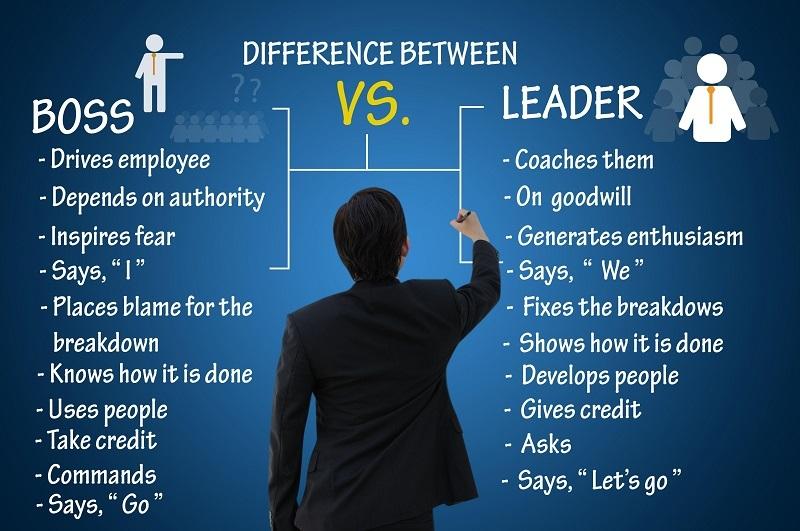
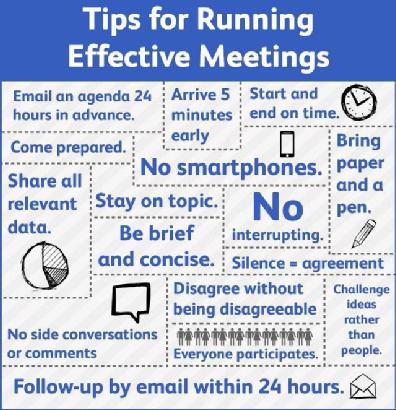
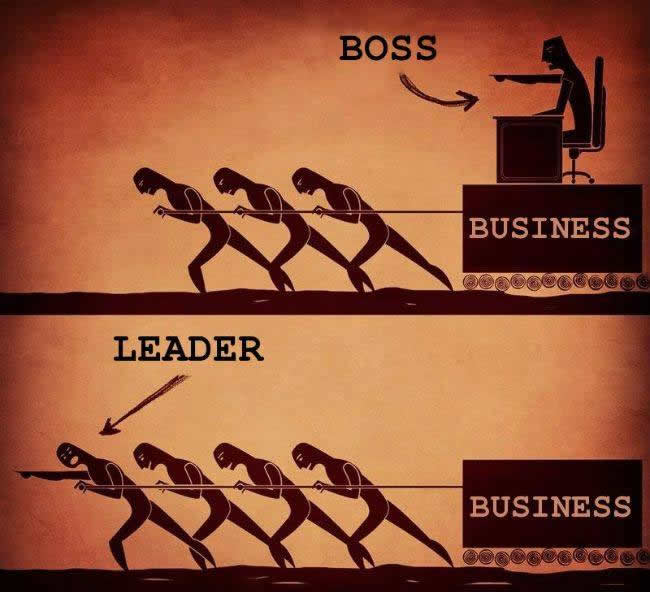
asks. Under the right circumstances, it turns out, groups are remarkably intelligent. In fact, they’re often smarter than the smartest people within them are. On problems ranging from the simple to the very complex, groups are able to offer collectively smart answers even when most of the people within them are not exceptionally well informed. This idea seems so counterintuitive as to be absurd. Most of us, whether as voters or investors or consumers or managers, think valuable knowledge is concentrated in very few hands or, rather, in very few heads. See our sister site OnePlusOneEqualsEleven.com. Also see Butterfly Effect Explained. See Networking Secrets. See Why Are You Losing Good Employees? See Boss vs. Leader and Tips For Running Meetings. See One Is The Answer What Is The Question? Strength in Unity "Polar Equivalency: Big change begets big resistance. Small change begets "Any system of human organization that does not (or cannot) respect and We think smart people are easy to recognize and identify. As a result, we assume that the key to solving problems or making good decisions is finding that one, right person who will have the answer. Success in business or in government, we imagine, is not a matter of building a collectively intelligent organization, but a matter of finding a few right people and stepping aside to let them make the tough decisions. Yet all the evidence suggests that none of these assumptions is true. If you want the best answers possible, you shouldn’t "chase the expert."
The simplest example of the wisdom of groups is the classic jelly beans in-a-jar experiment, in which the group’s estimate of how many beans are in the jar is routinely within 2 percent or 3 percent of the right number and is always better than the vast majority of individual guesses. Or take sports betting, where the group’s judgment is next to impossible to beat and surprisingly good at anticipating outcomes. At the racetrack, for instance, the final odds on a race reliably predict the race’s order of finish - that is, the favorite wins most often, the horse with the second-best odds wins second most often and so on - and also uncannily predict, how likely it is that a horse will win.
"Those who shall not learn to obey "If you cannot walk together, you "The business leader must command, while the
The recent Kentucky Derby, in fact, offered an excellent example of the wisdom of groups in action. The horse Smarty Jones was scorned by professional handicappers and experts. In fact, of 20 experts surveyed by the Daily Racing Form, only one picked Smarty Jones to win. But average bettors loved him, and so he went off as a 4-to-1 favorite. He won the race going away, vindicating the group’s judgment and leaving handicappers to wonder what went wrong. Another recent bit of news - Internet search engine Google’s announcement that it will soon go public - similarly testified to the virtues of collective decision-making. Google has become a massive success because of one thing: It consistently does an exceptional job of finding the information you’re looking for - in about a tenth of a second, no less. And it does this, ultimately, by following the crowd-group. Google’s technology is obviously sophisticated. At its core is a democratic approach to searching the Web. Essentially, Google asks Web-page producers to vote, on which pages are most valuable, by treating each link to a Web page as a vote. Those pages that get the most votes are more likely to end up high on the list. Not coincidentally, they’re also usually the pages that have the information you’re seeking. Stock Market Advice The wisdom of the group is even at work in the stock market - at last most of the time. Even though markets are often fickle and skittish, they still do a better job of uncovering and aggregating information than most individuals do. That’s why, over time, only a miniscule minority of professional money managers does better than the market as a whole, which in turn is why just about all of us would be better off putting our money into an index fund rather than entrusting it to a broker or a mutual fund manager. There may be a few professional investors, such as Warren Buffett, whose vision of the future is clearer than the market’s, but they are rare. None of this means that smart people are irrelevant or that groups can make good decisions on the basis of bad information. It does mean that we assume too easily that we know what good information looks like and that we know where intelligence resides. Random Guesses vs. Experts Expertise is invaluable, but individual experts’ records as forecasters have been consistently dismal. Studies have shown that most experts are no better at forecasting the future than mechanical models or random guesses are. Their record doesn’t get better as the questions get more important. Consider the CIA’s failure to anticipate the demise of the Soviet Union or the insistence of its former director, George Tenet, that the case for proving that there were weapons of mass destruction in Iraq was a "slam dunk." Forecasting is, of course, tremendously difficult, and tapping into a group’s collective intelligence does not guarantee right answers. It just guarantees that you’ll consistently get a better answer. That’s why companies and organizations of all stripes - including the US intelligence community - should be thinking about ways to break down traditional decision-making hierarchies, in which the people at the top have all the authority, and allow the group, as it were, to speak. The problems at which collective wisdom excels are those that have definitive answers or that requires a sense of how likely something is to happen. These are also the problems that most organizations face. The Myth of the Visionary Unfortunately, acknowledging the wisdom of the group would force people at the top of hierarchies to give up some authority and power, and to acknowledge that their own judgment might be less than perfect. That’s not an easy thing for managers to do, especially when, as a culture, we have so much invested in the myth of the genius or the visionary. Still, good group decision-making doesn’t require people to give up or water down their own beliefs. On the contrary, groups are only smart when everyone in them is acting as independently as possible. The wisdom of groups is not the product of compromise and consensus. Instead, it happens when all those individual, independent judgments are summed up, just as a market price sums up the opinions of all the traders in a market or Google’s rankings reflect the input of Web-page owners everywhere. Diverse Groups Answer Best
Along with independence, groups should be kept as diverse as possible. Diversity here really means diversity of opinions and information. With things such as the Millionaire audience, the gaggle of Web-page producers of the group of bettors at the track, you don’t have to worry as much about diversity, because these groups are diverse - in information, opinion and attitude - to begin with. Especially within, companies or government agencies, it’s a perennial problem. Governments are most likely to make good decisions about policy and execution when they’re populated with people who aren’t expected to toe a certain line. The more politically homogeneous a government becomes, the less likely its decisions will be genuinely wise. The same is true of many corporations, in which where executives’ penchant for hiring people who look and think like them is not a recipe for success. What we don’t want are groups whose members fall in lockstep behind the commands of their leaders, or in which group think keeps valuable alternatives from consideration. Putting Pieces Together
Groups are wise when pieces of information, no matter how small, are pulled together from as many places as possible. A classic example of this happened in the wake of the 1986 Challenger disaster, when the stock market, in the space of roughly an hour, figured out that Morton Thiokol, which had made the space shuttle’s solid fuel booster, was responsible for the catastrophe. The
market did this even though most of the investors had only small
bits of information, if any. But somehow when all those bits were
added up, the picture of the world the group had in its collective
brain was complete. Even when most people know only a little about
a question, it turns out, it’s possible for the group to know
it all. Synergistically, 1 and 1 truly equals more than 2. 1 And
1 Equals 11. See Code of Ethics. (BTW: We welcome your feedback.) The Synergistic Equation LEADERS VS. MANAGERS Transactional leaders focus on the role of supervision, organization, It's time to face the music as a manager: You don’t always have all of the right answers. Your “it’s my way or the highway” approach to management isn’t going to encourage anyone to help you in your problem solving endeavors. Leaders and Managers are often referred to synonymously, but only Leaders allow their employees to solve problems with their own insight. The truth of the matter is this: Every Leader may not be a Manager, but every Manager should be a Leader. It’s easy to see that leadership and management aren’t the same thing, but a Manager who lacks effective leadership traits will drive a business into the ground faster than you can count to 10. Change doesn’t happen overnight when it comes to transforming managers into leaders. It takes time and energy to improve the way you manage and utilize more leadership characteristics on a daily basis. Here are some tips to help you make the necessary improvements:
For example, say a project was sent to a client and you receive back a disgruntled message. Calmly ask your employee about the clients concern and whether they feel what was provided was on par. This will give them a chance to provide their input, while also improving for the future.
Management should not be approached through force, but rather through influence. Put these techniques in place to improve the way your employees perform. Do you ask questions instead of giving answers? -- About Ilya Pozin Founder of Ciplex. Columnist for Inc, Forbes and LinkedIn. Gadget lover, investor, mentor, husband, father, and '30 Under 30' entrepreneur.
One Is The Answer What Is The Question Guidelines For Community Facilitators Conscious Communication Guidelines The Case For Robert's Rules of Order The Case For Movers and Shakers
 More Web sites by
KhalsaWebMasters.com  Khalsa
|
|




















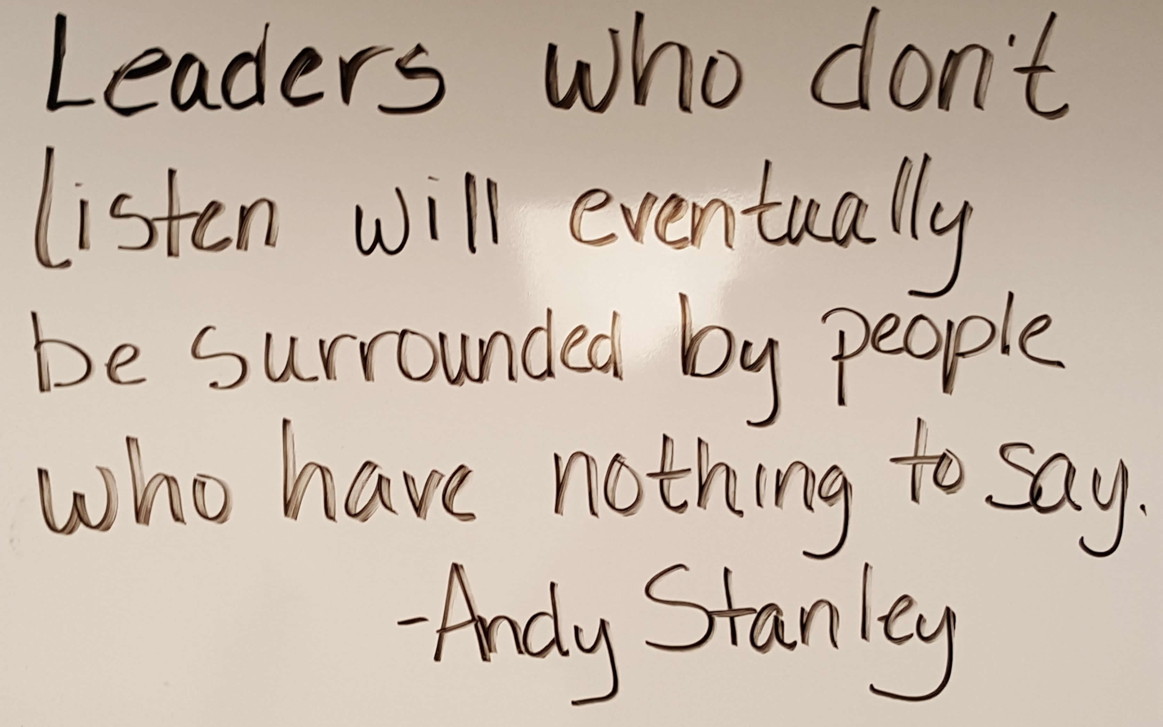





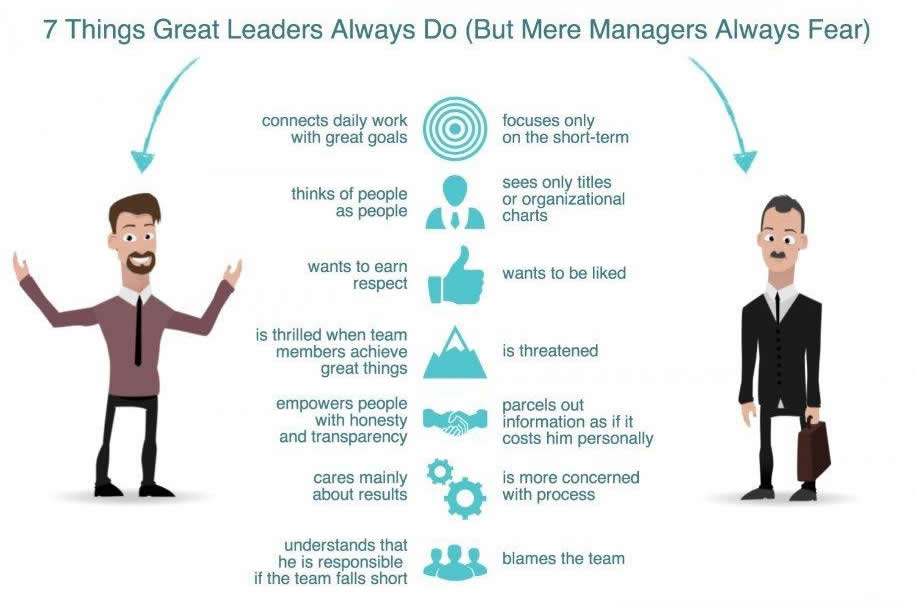

 .) Managers give answers, Leaders ask questions. There’s nothing certain to turn your employees against you faster than shouting orders at them. Why not spare yourself the impending resentment and simply ask your employees this: “What would you do?” or “What do you think of this idea?” Allowing people to participate in the decision-making process will not only transform what could have been an order into something more easily swallowed--it also inspires creativity, motivation, and autonomy.
 .) Managers criticize mistakes, Leaders call attention to mistakes indirectly. It may seem more efficient to point out your employees’ mistakes directly, but this will only leave them feeling embarrassed and frustrated. You should really be giving them the chance to learn and grow from through your critiques. Instead, give your employees the chance to address their mistakes.
 .) Managers forget to praise, Leaders reward even the smallest improvement. Praise pays off when it comes to increasing the overall success of your company. Finding time to recognize your employees for even the smallest accomplishment will only increase their interest in what they do. If you’re interested in ensuring your employees take pride in all that they do, regular feedback and recognition is certain to do the trick. Everyone wants to be genuinely appreciated for their efforts.
 .) Managers focus on the bad, Leaders emphasize the good. This really comes down to seeing the cup half empty or half full. If you’re only willing to point out the flaws of a project or an employee, you’re not giving them much interest in learning or improving. Instead, create a sandwich effect. Start with some form of praise, follow with the criticism, and end with praise.
 .) Managers want credit, Leaders credit their teams. Managers who lack leadership abilities are always first to take credit. But effective leaders understand the importance of crediting their teams for the big wins. This pays off in the long run for creative a workplace with a more positive company culture and employees who are driven toward more successes as a team.